

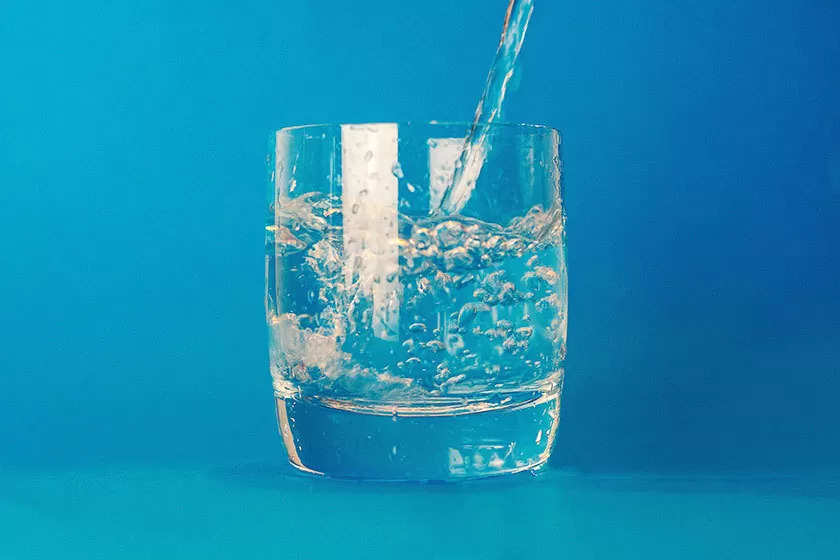
Do you know what I first noticed when I moved to Denver? It was the taste of the water.
When I lived in Korea, I would drink tap water without a second thought, but here, when I poured it into a cup and tasted it, I felt a heavy sensation lingering in my mouth. At first, I thought it was just because the water was unfamiliar, but it turns out that Colorado water contains quite a bit of calcium carbonate. In simple terms, it's called 'hard water.'
Denver is located at the foot of the Rocky Mountains. Most of the water is supplied through melted snow or groundwater from the mountains. During this process, calcium from rocks like limestone dissolves into the water. That is calcium carbonate.
When I lived in Korea, I mainly used water that was close to soft water, but here, I definitely feel that the taste of the water has changed.
At first, this bothered me a bit. Every time I drank water, there was a slightly bitter taste, and when I boiled water in the electric kettle, white powder would settle quickly. I worried, 'Isn't this bad for my health?'
After doing a little research, I was relieved to find out that calcium carbonate is not harmful to the body. In fact, calcium is an essential mineral that strengthens bones and teeth and is necessary for muscles and nerves to function properly.
If it's at a moderate level, it can even have a positive effect. You can get a little calcium just by drinking water without having to take calcium supplements. However, people with sensitive stomachs may experience discomfort like bloating or constipation from drinking hard water regularly. Those at risk for kidney stones should be especially cautious.
However, drinking Denver water every day does not lead to excessive calcium intake, so there is no need to worry too much. Ultimately, it varies depending on individual constitution and health status.
Living in Denver, I feel the impact of calcium carbonate more from 'daily inconveniences' than from health concerns.
When I boil water in the electric kettle, white scale settles at the bottom within a few days. It quickly builds up in the coffee machine too, and if you don't clean it, the taste changes. So, it has become essential to clean it regularly with citric acid or vinegar.
Because the water is hard, my skin feels tight after showering. I have to apply lotion generously, and some friends even install shower filters.
Colorado tap water is supplied after a purification process, so it is generally safe. However, the hardness varies by region, and Denver's water is definitely on the harder side, making daily inconveniences more pronounced. That's why many people use water filters like Brita or buy bottled water. I used to drink it straight at first, but now I mainly drink filtered water. It tastes much smoother.
Calcium carbonate in Denver's tap water is not significantly harmful to health. In fact, it may even provide calcium benefits.However, the hardness of the water does cause some inconveniences in daily life. You need to clean the kettle often, consider a shower filter if your skin is dry, and those who care about coffee taste sometimes use water softeners.
Having lived in Denver for a few years now, I've come to accept that 'this is the taste of the water in this area.'
What initially bothered me about calcium carbonate now feels like a characteristic of this region.






 Tora Tora |
 neroyo |
 nivex85 |
 Old English |
 nixxon |
 Your Curiosity Resolved |

 LIZ Legal Information Blog |
 coloradoman |
 Jean Claude Bundang Blog |
  Gorama Round |
  Skydiving |
  dreamport |
  Yellow Snowman |
  Toaster Pizza Magic Show |
  velvetnom |
  Anytime Journey |
  Mrs. Duluth |
  jaxter |
  Atlanta Mama |
  Baguette Blog |
  US Embassy |
  Korean Mom |
  My NYC |
  moo moo |
  Mr Oh |
  forevergee |
  festival |
  manchester |
  constant |