
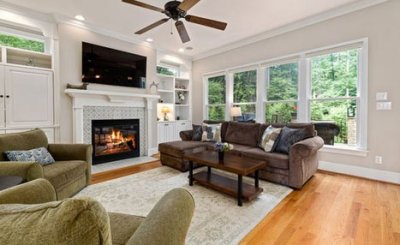
How much house can I buy in Baltimore with my budget? To answer this question, we first need to look at the price differences by area. According to Redfin data, as of May 2026, the median sale price in Baltimore City is around $245,000, while Zillow's home value index shows the city itself at $179,536 and the adjacent Baltimore County at $365,503, nearly a threefold difference.
This difference means that even within the Baltimore metro area, the market values in the city and county are entirely different. When setting a budget, it's essential to compare specific neighborhoods.
Looking at the loan structure, FHA loans require a credit score of 580 or higher for a 3.5% down payment, while those with scores between 500 and 579 need 10%. Conventional loans can start at 3% for first-time homebuyers or those with an income at or below 80% of the area median income, typically proceeding around 5%. If the down payment is less than 20%, PMI will apply, and if it's over 20%, it will be waived, significantly affecting the price range you can afford.
As of July 2026, the average 30-year fixed rate according to Freddie Mac PMMS is between 6.55% and 6.72%. When you get pre-approved and check your loan limit, you often see that the approval limit can vary by tens of thousands of dollars depending on the lender, even with the same income.
The effective property tax rate in Maryland is estimated to be around 1.0 to 1.09%. The state tax rate for the 2026 fiscal year is $0.112 per $100 of assessed value, with the county and city adding their respective rates. Since Baltimore City and Baltimore County have different tax rates, the exact tax amount should be verified based on the property address.
For first-time buyers struggling to save for a down payment, Maryland's DHCD 1st Time Advantage program is worth considering. There are options for $6,000 in assistance and $5,000 in Flex 5000, as well as options for 0% interest subordinate loans for 3% to 6% of the mortgage amount. Applications are made through participating lenders, and completing homebuyer education is usually a requirement.
Across Maryland, there are various down payment assistance programs operated jointly by the state and counties, offering a wide range of options from grants to deferred loans. However, since each program has different income limits and purchase price caps, it's advisable to check eligibility with participating lenders one by one.
Considering this information, finding a neighborhood within the Baltimore metro that fits your budget ultimately involves comparing the city and county, along with the conditions of each program. Rather than making a judgment based on a single number, it's best to compare multiple data points side by side.
From my perspective after observing this market for decades, Baltimore is considered one of the better areas for stable homeownership relative to market prices. However, there are significant variations by neighborhood and clear disparities in school districts, so while you should refer to GreatSchools ratings, it's advisable to verify the assigned school directly before purchasing.
When getting pre-approved, lenders will review your income, credit score, debt, and assets. Approval often occurs when the total debt repayment does not exceed around 43% of your pre-tax income, so it's helpful to sort out credit card debt or installment payments before looking at properties to widen your budget range.
If you're moving from another state, it's better to understand the unique neighborhood price variations and property tax structure in Baltimore rather than basing your budget on your previous residence. This article is not investment or legal advice, and consulting a professional before making any contracts is recommended.
 YogurtPuzzle
 CannesFest






 moo moo |
 ultron78 |
 garlic bread |
 Sugar Cream Door Bulletproof Noodles |
 urbanmint |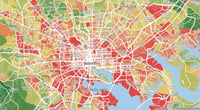
 maryland park |
 Onion Ring |

 Good Karma |
 frostpup |
  urban legend |
  coolriver |
  Good Neighborhood, Wealthy District Information |
  Ro Ro Car |
  Amber H |
  new sugar |
  Palm 1000 |
  loran |
  donutfield |
  Tennis City |
  sunny7 |
  Questions about firearms while living in America |
  Shoot Me |
  mochifox |
  zucchini |
  Anna Life |
  Exciting FM Radio |
  pet dog |
  toodin |
  rosed |