
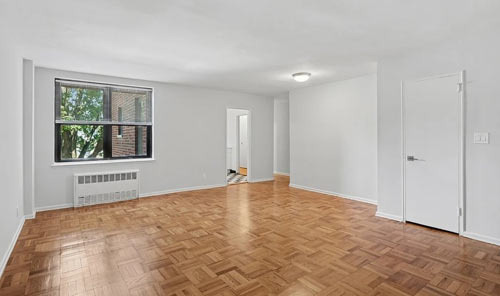
The average rent for a 2-3 bedroom in the Buffalo area is around $1,450 per month, while the median sale price for a similar single-family home is approximately $245,000.
Just looking at these two figures shows that Buffalo has a relatively affordable housing market compared to other areas in the U.S. Within New York State, Buffalo's market is on a completely different level than Long Island or Westchester.
Calculating the Price-to-Rent Ratio, dividing $245,000 by the annual rent of $17,400 ($1,450 x 12) gives a value of about 14.1. Generally, a ratio below 15 is interpreted as favorable for buying, and Buffalo falls below that threshold. Data suggests that this area is classified as a market leaning towards buying rather than renting.
Assuming a 20% down payment and a 30-year fixed rate of 6.75%, the loan principal would be about $196,000. The monthly principal and interest payment would be around $1,271, and when property taxes and insurance are added, the total monthly payment is estimated to be about $1,919. Compared to the rent of $1,450, this means an additional burden of about $470 per month, which is crucial as this difference represents the cost of building equity by paying down the principal.
If the approximately $49,000 set aside for the down payment were invested in something like the S&P 500, assuming an annual return of around 7%, the opportunity cost would be calculated at about $3,400 per year. However, this amount is relatively small compared to the additional $470 monthly expenditure, and considering the increase in home prices and principal repayment, it seems that buying is advantageous in the long run.
Compared to nearby cities like Rochester (median $220,000, rent $1,500) or Syracuse ($200,000, rent $1,400), Buffalo has slightly lower rents but similar or somewhat higher home prices. All three cities share the common characteristic of having a PTR below 15, indicating a buying advantage.
For Korean households, key factors in decision-making include school districts for children, job stability, and plans to stay for at least five years. If the stay is less than five years, considering closing costs and commissions when selling, renting may be a safer choice. Conversely, if there is a clear intention to settle down, the current low PTR could be interpreted as a signal to seriously consider buying.
Ultimately, while the Buffalo market appears favorable for buying based on the numbers, individual financial capacity and settlement plans will dictate the final decision. For immigrant households that find it challenging to save a large sum or have a short credit history, renting for 1-2 years to observe the market may also be a reasonable option.
 BaconDroneLab
 SouthernCross







 |
| 
 Premium Gas Camp |
 CA Real Estate |
 cheesepup |
 breezem |
 chicpo |
 Delicious Food Finder |
 Banana |
 See It |
 Holy Cow |
  The Day the Sun Rises |
  sweetpop |
  California Kangaroo |
  zanero |
  station |
  Static |
  Star Way |
  American Blog Forge |
  MMORPG Games |
  Then you must be spring |
  Spicy Immigration Life |
  zenvor16 |
  The 2000 |
  toclick |
  wexlin84 |
  Hairy Poppins |
  daisypat |
  Taco Bell Candy Note Blog |
  MintO |
  My Town My Way Blog |