

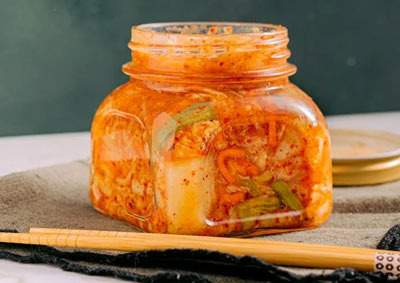
In particular, interest in Korean cuisine has surged in recent years, making kimchi a key ingredient applied in various dishes. As of 2023, the kimchi market in the U.S. is estimated to be around $500 million, with a double-digit growth rate recorded each year.
First, among Asian Americans, especially in Korean households, kimchi still occupies a central place on the dining table. Second, health-conscious consumers recognize kimchi as a probiotic-rich fermented food and enjoy it. It is low in calories yet rich in nutrients, making it suitable for generations focused on diet and wellness. Third, among vegans and vegetarians, kimchi is recognized as a naturally fermented food without animal ingredients, gaining popularity.
The kimchi market is rapidly diversifying. Premium products incorporating new ingredients and recipes, such as baek-kimchi, kkakdugi, and kale kimchi, are emerging alongside traditional napa cabbage kimchi. Additionally, convenience food products like kimchi stew and fried rice are increasing to meet the demands of busy modern individuals. Online sales channels have also expanded significantly, allowing consumers to easily access various brands of kimchi through e-commerce.
Health Benefits of Kimchi
The reason kimchi is called a 'superfood' is due to its outstanding health benefits.
-
Digestive Health: The probiotics produced during fermentation help improve gut health and prevent constipation.
-
Immune Boosting: Rich in vitamin C, vitamin A, and antioxidants, it helps strengthen the immune system.
-
Anti-Cancer Potential: Some studies report that components in kimchi may positively influence the prevention of stomach and colon cancer.
-
Weight Management: As a low-calorie, high-fiber food, it provides satiety and is effective for weight management.
-
Cardiovascular Health: Rich in potassium, it is beneficial for blood pressure control, and antioxidants help maintain vascular health.
While kimchi is a healthy food, its high sodium content can pose risks for hypertension or kidney health if consumed excessively. Additionally, improper fermentation can lead to hygiene issues, making it important to choose reliable products. It is also essential to be cautious of potential allergic reactions to specific ingredients like chili or garlic, depending on the individual.
It is advisable to consume an appropriate amount (about one cup per day) and to choose low-sodium kimchi or adjust the salt content when making it at home. Instead of just eating kimchi as a side dish, using it in various dishes like kimchi stew, fried rice, and salads can broaden nutrient intake.
Kimchi is growing as a beloved fermented food among more consumers in the U.S. The health benefits, diverse consumer base, and the expansion of online and convenience-focused markets indicate that kimchi will continue to be at the center of global food trends. However, it is important to consume it appropriately, considering sodium content and individual allergy factors. Kimchi can now be said to be a representative fermented food responsible for the health of people worldwide, beyond just Korea.






 Khan Film Blog Production |
 dermoon |
 hoosierdaddy |
 sun walker |
 Let's Be Like a Salt-like City Person |
 Darnignac |
 Delicious Food Finder |
 Belgray Miscellany |
 Holy Cow |
  manchester |
  constant |
  Leapfrog Move |
  vibranto |
  Tora Tora |
  yellowbutter |
  Dolly |
  US Embassy |
  NYC saladbar |
  Finding Superfoods |
  lightyear |
  song bang |
  vexomo |
  Indiana Jones |
  meloncat |
  novapixel |
  mortrix |
  Esther 1983 |
  fortbliss |
  Moscow Kim |