
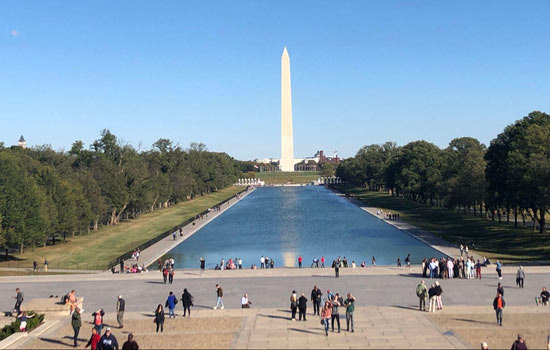
Washington DC is located in the northeastern part of the United States, making it relatively free from extreme natural disasters like earthquakes in California or hurricanes in Florida.
However, it is not completely safe. I have compiled a list of natural disasters that have actually occurred in the DC metropolitan area, along with precautions based on my personal experiences.
Hurricanes and tropical storms are not exceptions for DC. The city can fall within the path of hurricanes moving north from the Atlantic. Hurricane Isabel in 2003 caused significant damage in the DC area, flooding the banks of the Anacostia River and the Potomac River, and resulting in widespread power outages. Hurricane Irene in 2011 and Superstorm Sandy in 2012 also impacted the DC region. During Sandy, the DC Metro proactively suspended operations. It is advisable to monitor weather alerts and prepare an emergency kit (water, food, flashlight, batteries, medications) during hurricane season (June to November).
Heavy snowfall and winter storms are also significant natural disasters in DC. The city is occasionally affected by Nor'easter storms, leading to large snowfalls. The Snowmageddon blizzard in 2010 dropped 20-30 inches of snow over two days, paralyzing DC for several days. Blizzard Jonas in January 2016 also brought 24-30 inches of snow to the Washington area. The snow response infrastructure in DC is somewhat lacking, so schools may close and commutes can be disrupted even with 4 inches of snow. It is wise to stock up on groceries and essentials ahead of winter snow forecasts and to prepare shovels and ice melt products.
Flooding is a recurring issue in certain areas of DC. Low-lying areas near the Anacostia River and the Potomac River are at risk of flooding during heavy rainfall. Particularly, areas around Anacostia Park and parts of Ward 8 are classified as flood-prone. Additionally, many buildings in historic DC have basements, which frequently suffer flooding during heavy downpours. It is important to check for flood history when renting or buying a home, especially for residences in basements, and to verify flood insurance coverage.
Earthquakes are not uncommon in the DC area. A magnitude 5.8 earthquake that occurred in Mineral, VA, in August 2011 was felt strongly in DC. This earthquake caused cracks in the Washington Monument, leading to long-term repair work. While the DC area is not situated directly on a major fault line, it cannot be considered completely safe. Major earthquake damage is rare, but small earthquakes do occur occasionally. Tornadoes sporadically happen in nearby Maryland and Virginia. While they rarely occur directly in downtown DC, it is safe to follow indoor shelter guidelines when tornado watches or warnings are issued in surrounding areas.
In DC, preparing for natural disasters is essential due to the presence of the federal government. It is fundamental to follow FEMA (Federal Emergency Management Agency) guidelines and the DC Department of Homeland Security and Emergency Management (HSEMA) instructions. You can check ready.dc.gov for DC emergency evacuation plans and preparedness kit guides. Being informed and prepared makes any disaster less frightening.
 JellyAngel
 ThunderBoys






 US Regional Information Local News |
 nero kim |
 OC Real Estate Business Information |
 Nevada Vegas UNLV |
 My Love DS |
 Holey Moley |
  El Dorado |


 Leapfrog Move |
  Finding Superfoods |
  COLO COLO |
  morixa |
  USA Hyundai Kia |
  My Town My Way Blog |
  Splendid Mission |
  Yonori Nori |
  Unknown Dog Walk blog |
  Dingho and USA News |
  Enjoyable American Life Diary |
  Sammy Beach |
  Nanana Nanana Nanana |
  UNI Lover |
  Sunny's Travel in America |