

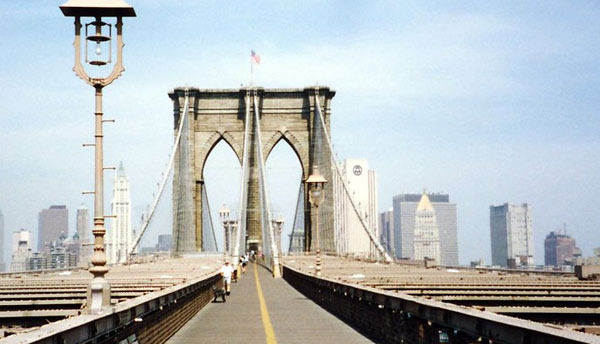
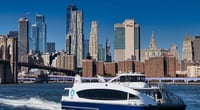
In the 1980s and 90s, with the Manhattan skyline visible behind the Brooklyn Bridge, Korean people lived hard in a city that was a bit rough and breathless, not as sparkling as it is today.
Back in the 1980s, before the Korean town was established as it is now, many people rented a room in Queens or Brooklyn, waking up early to cross the bridge into Manhattan. The view of the Manhattan skyline while crossing the Brooklyn Bridge was both a beautiful backdrop for dreams of the future and a pressure of immigrant life.
Since many were not fluent in English, a common starting point for many was the deli, where a Korean person was always behind the counter, displaying milk and newspapers delivered in the early morning and brewing coffee. Next to the cash register, there was often a family photo and a Bible verse like "Though the beginning is small, the end will be prosperous."
Working 12 to 14 hours a day was the norm, and there were almost no days off except Sundays, but the money earned at the deli helped pay for children's tuition and create a stepping stone for the next stage.
Once they got settled a bit, they moved to clothing stores, selling jeans and t-shirts in small shops in Soho or the outskirts of Midtown, and at night they organized inventory while thinking about the next season.
Fashion accessories and general stores were also heavily influenced by Korean hands, selling small items like hairpins, belts, and scarves, competing on turnover and quickly generating cash flow. Back then, credit card fees were burdensome, so cash sales were important, and due to the risks of theft and robbery, they could never let their guard down until they closed the store and left.
Still, conversations about which wholesaler had good prices or which street had strict enforcement naturally flowed in churches or restaurants. After closing the store late at night and taking the subway home, looking at the lights of Manhattan across the bridge brought a mix of fatigue and strange hope.
Today was tough, but the belief that tomorrow would be a little better was there. The people who built their days in delis, clothing stores, and general stores eventually opened paths to professional careers for their children, and at the starting point of that process were always the hands quietly guarding the cash register in the city across the bridge.
Now, as time has passed, many who struggled back then are well into their 70s. Many have already passed away. Every time I see the Brooklyn Bridge today, I reflect on the hard work of those Korean Americans dreaming of tomorrow in various parts of New York back then.



 Toaster Pizza Magic Show |
 US Embassy |
 fortbliss |
 Folding Instructions |
 yentra |
 Starbucks Reserve Roastery Closure |
 river9 |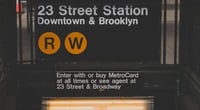
 Encyclopedia of New York and Surrounding Areas |
 Softember |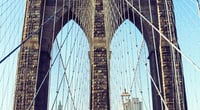
 DREAM BIG |
  frostbite |
  330 Forever My Love |
  El Dorado |
  dralix58 |
  Gorama Round |
  Skydiving |
  dreamport |
  Yellow Snowman |
  velvetnom |
  Anytime Journey |
  Mrs. Duluth |
  jaxter |
  Atlanta Mama |
  Baguette Blog |
  Tan Sol |
  Korean Mom |
  My NYC |