


Over the past two decades, it has been rare to see such a rapid price increase in the Miami market. Following the pandemic, wealthy individuals and remote workers from places like New York and Chicago flocked to Miami, earning it the nickname "Wall Street South," and the impact is still strongly felt across the housing market.
According to Zillow data, the average home value in the Miami area was around $385,000 at the beginning of 2021. By 2026, it is expected to rise to about $582,000, resulting in a cumulative increase of approximately 51% over five years.
Considering that the national average increase during the same period is reported to be between 35% and 45%, Miami has shown a distinct upward trend that surpasses the national average. It ranks among the top cities in the Sun Belt for price increases.
Looking at the yearly trends, from 2021 to 2022, there was a heated market where properties were quickly absorbed due to demand from out-of-state movers and low interest rates. Even after interest rate hikes in the second half of 2022, Miami maintained its upward trend longer than other regions, likely due to a high proportion of cash buyers and steady foreign investment. However, starting in 2024, the condo market is expected to see a noticeable decline in price increases due to soaring insurance costs and rising maintenance fees, with a slight downward trend observed in the past year.
The key factors driving the increase include population and capital influx, low state income tax, and its position as an international financial and logistics hub. Conversely, recent adjustments have been attributed to skyrocketing insurance costs due to hurricane risks, increased maintenance costs from stricter safety regulations on condo buildings, and the high prices themselves suppressing new buying activity.
Future prospects should be viewed cautiously. The appeal of Miami as an international city remains strong, but if insurance and maintenance costs continue to rise, further adjustments in the condo market cannot be ruled out. On the other hand, single-family homes may have relative resilience due to limited supply.
For Korean households, it is important to recognize that Miami has already reached a significantly high price level. If considering a new purchase, prioritizing single-family homes or townhouses, which have relatively lower insurance and maintenance burdens compared to condos, may be wise. If contemplating a sale, given the ongoing adjustment phase, a flexible approach that aligns with market conditions rather than insisting on high asking prices seems necessary.
 RedBeanTV
 AudreyRice






 garlic bread |
 Sugar Cream Door Bulletproof Noodles |
 urbanmint |
 |
| 
 Premium Gas Camp |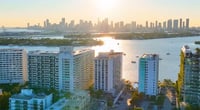
 Komet Park |

 oh my salami |
 Victory 1988 |
 Round and Round Children's Song Kingdom |
  Mia Flori |
  nova nova |
  healthy |
  leaves |
  sparkling |
  maryland park |
  persiste |
  conte |
  blueman |
  Going Once |
  Eldorado 88 |
  cherrydino |
  middlekick |
  Moscow Kim |
  nivex85 |
  quanta7 |
  Tomato Health Club blog |
  horse |