

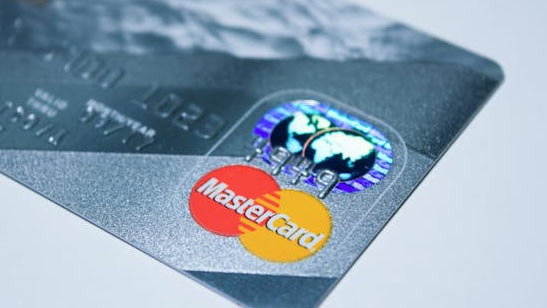
As of 2025, recent credit card delinquencies in the U.S. are rising rapidly.
In particular, the percentage of accounts overdue by more than 90 days is at its highest level since 2012, posing a significant risk of falling personal credit scores.
Latest Snapshot
-
Total Card Balance : $1.21 trillion (Q4 2024, New York Fed) — All-time high
-
Per Capita Average : About $3,550 (Total balance ÷ 2024 population of 341 million)
-
Average Personal Card Balance : $6,730 (Q3 2024, Experian) — Up 3.5% from the previous year
-
Average Interest Rate (APR) : 21.9% (Q1 2025, Fed G.19) — Doubled in 10 years
Let's summarize the issues and their ripple effects.
Household Financial Issues.
As the minimum monthly payment increases significantly, cash flow becomes constrained. With living expenses tightening, there is less money available for savings or investments, naturally delaying retirement preparations.
Deterioration of Credit Health.
Delinquencies are rising rapidly. In particular, the percentage of accounts overdue by more than 90 days is at its highest level since 2012, posing a significant risk of falling personal credit scores.
Risk to the Financial System.
In 2021-22, credit card companies increased limits for high-risk individuals, resulting in a significant increase in credit card openings and limits for vulnerable groups. If card loans become delinquent, banks will bear the losses. This could create a vicious cycle of reduced new lending.
Slowdown in Consumer Spending.
As credit card interest rates rise, consumers tend to close their wallets. Ultimately, overall consumption may shrink, increasing economic volatility. This issue is exacerbated by buy-now-pay-later services lowering consumption barriers and encouraging "debt cycling" demand.
Deepening Inequality by Income and Assets.
High-income individuals effectively utilize point rewards and interest-free benefits, while low-income individuals are more exposed to high interest rates and delinquency risks. This widens the gap.
Political and Regulatory Debates.
Due to the Fed's tightening, the average APR has exceeded 20%, accelerating the compounding effect. Even for the same consumption, balances can balloon. Proposals for caps on card interest rates, such as "capping card rates at 10% per year," continue to emerge, amid growing demands for stricter regulations.
Household deposits, which surged due to stimulus payments, are rapidly depleting from the second half of 2023, transitioning from "cash to credit." Starting in October 2023, student loan repayments will resume, leading to reduced cash flow for those in their 30s and 40s, who are reportedly covering living expenses with credit cards.
Ultimately, in an era of high inflation and high interest rates, credit card spending has become the fastest-growing debt for American households.
While it may be convenient now, do not forget that compound interest is eroding your future consumption and asset formation.



 El Dorado |
 lightyear |
 Moscow Kim |
 coloradoman |
 Montgomery Mom |
 Weekend Movie Blog |
 Beauty, Health, Lifestyle Blog |
 Superman Cat Blog |
 Noodle Noodle |
  Tonky |
  viroma |
  cookie |
  Live and that's it |
  Alright Twain |
  eatontown blog |
  HAWAII Korean Church News |
  Amore |
  linex |
  Balancework |
  laro90 |
  MEDBIO American Doctor Blog |
  SWAT TEAM BLK |
  DREAM BIG |
  frostbite |
  330 Forever My Love |
  dralix58 |
  Gorama Round |
  Skydiving |