

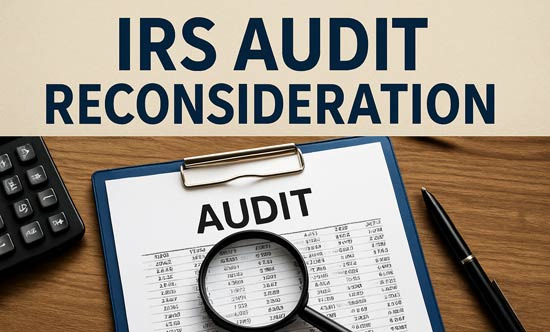
As the new year of 2026 approaches, the tax reporting season is slowly coming up.
However, if you think, "I should be fine," and suddenly receive an audit notice from the IRS, your heart will surely drop.
The IRS randomly selects targets, but there are often significant 'reasons' behind being chosen for an audit.
Especially, actions that Korean self-employed individuals take without thinking can raise Red Flags in the IRS system. Today, I will specifically outline five dangerous habits that strongly invite IRS audits.
1. "My money is company money?" The habit of not distinguishing between personal and business expenses
This is the most common yet dangerous habit. It involves paying for personal grocery shopping or children's tuition from a business account. The IRS strictly views the mixing of business and personal expenses. Particularly, frequently purchasing luxury items with a business card or dining out with family can lead to an audit. If an auditor later asks, "Why is this meal for business purposes?" and you cannot prove the name of the person, date, and business purpose, all the expenses you previously deducted could be subject to recovery. You must use a separate account and card for business and develop the habit of noting the purpose on the back of receipts.
2. "Expenses exceed revenue" Continuous reporting of losses
In the first 1-2 years of a business, losses may occur. However, if you continue to report losses (Net Loss) for 3 or 5 consecutive years while maintaining the business, the IRS will raise suspicions. They might think, "How do you cover living expenses without any income? Are you hiding revenue?" The IRS considers this a 'Hobby Loss' and may refuse to allow expense deductions or start digging for hidden income. If there is a legitimate reason for ongoing losses, thorough record-keeping is essential to support it.
3. "Cash is king" Missing cash sales and large cash transactions
Some people still think, "If I receive cash, I can report it loosely." However, the IRS has data on average cash sales ratios in the same industry. If nearby restaurants report a cash ratio of 30% while yours is only 5%, you will be a top candidate for an audit. Additionally, splitting cash deposits of over $10,000 into $9,000 to avoid audit notifications is considered a financial crime. Banks are required to report such patterns automatically, so you must avoid this at all costs.
4. "A car used 100% for business?" Excessive vehicle maintenance deductions
A car is essential for life in the U.S. However, the moment a self-employed person reports a personal vehicle as "100% business use," the IRS auditor smiles. It's very easy to catch. Commuting distances are not recognized as business expenses. If you report all trips to the grocery store or family vacations as business-related, it becomes problematic. If you do not keep a Mileage Log, you need to correct this immediately. Nowadays, it's easy to record using smartphone apps, so keeping detailed records of dates and destinations is crucial.
5. "A restaurant with supply costs in the thousands?" Misclassifying expenses
When filing taxes, the habit of lumping large amounts into 'Miscellaneous' or ambiguous categories is also risky. The IRS's computer system knows the standard cost ratios by industry. For example, if you operate a laundromat and report spending half of your revenue on advertising, or if a restaurant has excessively high office supply costs, the system will automatically flag it. Numbers that are too 'neat' (e.g., $5,000, $10,000, etc.) are also likely to be suspected of manipulation.
Ultimately, honesty is the best tax strategy
IRS audits do not simply end with paying more taxes. The additional costs for accountants to respond to the audit and the stress of digging through years of records can be unimaginable.
The phrase, "Everyone else does it this way," holds no weight in front of an auditor. In 2026, I hope all business owners can sleep soundly by managing receipts thoroughly, clearly distinguishing between personal and business expenses, and reporting honest revenue.
To all Korean business owners operating in the U.S., I wish you a prosperous year without worries about tax audits!
 USAToday






 Tonky |
 My NYC |
 coloradoman |
 Living Economy Information Blog |
 Tomato Health Club blog |
 Bald Eagle Brothers |
 Bacon King Blog |
 PETRO Vatican Shrine |
 Seattle - Emerald City |
 Real Estate Agent USA |
  Burbank Lee |
  Olivia's Blog |
  Bushing Around Life |
  Active |
  Cherokee Rose |
  Kor. Master |
  Holey Moley |
  Conflite Teacher |
  Hodong Prince Over Flex |
  Mist inn |
  citrus pop |
  Onion Ring |
  phoenixia |
  viewtop |
  loverun |
  Kim Do Sun |
  SEVEN SEVEN |
  yentra |
  Make My Day |
  Victory 1988 |