

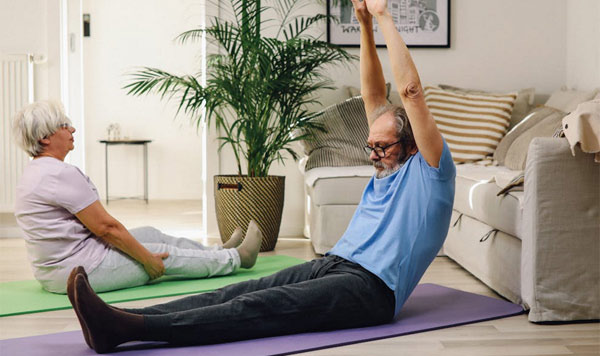
After retirement, the first thing that decreases is income, followed by physical activity.
However, when people hear that consistently exercising after retirement is ultimately about making money, they often laugh at first.
The reaction is usually, what money can you make from exercising? But if you think about it a little, this statement is not just a joke.
The first reason is medical expenses. The scariest fixed expense after 60 is not travel or spending money on grandchildren. It's medical bills.
The difference between retirees who exercise regularly and those who do not becomes significant in just five years. One knee surgery or one heart stent can quickly wipe out the savings you thought you had. Skipping the gym membership to avoid costs and then spending a fortune at the hospital is the worst investment. Exercise may seem like an expense, but it is actually the most reliable cost-saving measure.
The second reason is insurance. In the U.S., people who exercise have different insurance premiums.
Test results and risk assessments differ. Just maintaining normal blood pressure, managing blood sugar, and controlling body fat can lead insurers to view individuals differently. While this may not matter when you're young, after retirement, this difference accumulates. What seems like a few dozen dollars a month can add up to the cost of a trip in ten years. This is real money.
The third reason is the labor market. The era when retirement meant completely stepping away from work is long gone.
Nowadays, part-time jobs, consulting, and short-term projects are abundant. The issue is who gets chosen. Even at the same age, those who are fit, have good posture, and can speak without getting out of breath are selected. This is a matter beyond ability. Retirees who have exercised regularly have broader options for re-entering the workforce. Having more options means having more negotiating power, and negotiating power translates to money.
The fourth reason is relationships. This aspect is surprisingly significant. Retirees who exercise meet people.
They meet on the golf course, at the swimming pool, and on the tennis court. The information and opportunities that arise here are more realistic than you might think. Discussions about investments, job opportunities, and proposals to collaborate mostly come from these interactions. This flow never reaches someone who just sits at home watching TV.
Finally, the most important reason is posture. Regular exercise changes more than just the body.
It changes expressions and attitudes. This is connected to the scent of money.
People instinctively give opportunities to those who are vibrant. A well-maintained body looks trustworthy, and trust ultimately leads to money.
Exercising after retirement is not just a healthy hobby. It is the most conservative form of wealth management.
There's no risk of it dropping like stocks, and there are no tax worries like with real estate.
One hour of exercise today can protect your bank balance five years from now.
Those who understand this strive to exercise every day without resting after retirement.
I believe the saying that your body is an asset after retirement is something we should all remember as we age.







 Tora Tora |
 neroyo |
 nivex85 |
 Old English |
 nixxon |
 Your Curiosity Resolved |
 LIZ Legal Information Blog |
 coloradoman |
 Jean Claude Bundang Blog |
  laro90 |
  MEDBIO American Doctor Blog |
  SWAT TEAM BLK |
  DREAM BIG |
  frostbite |
  330 Forever My Love |
  El Dorado |
  dralix58 |
  Gorama Round |
  Skydiving |
  dreamport |
  Yellow Snowman |
  Toaster Pizza Magic Show |
  velvetnom |
  Anytime Journey |
  Mrs. Duluth |
  jaxter |
  Atlanta Mama |
  Baguette Blog |
  Tan Sol |