
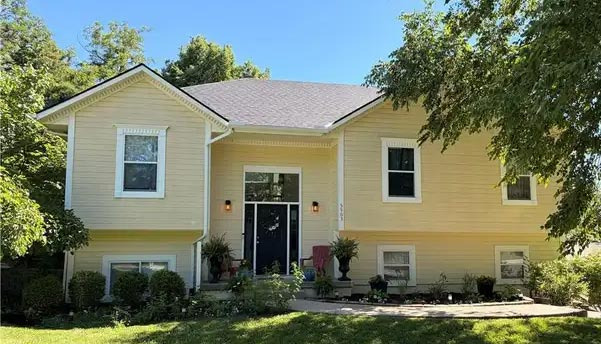
Kansas City is gradually gaining attention among retirees in the United States. With relatively low living costs, well-established healthcare infrastructure, and a variety of cultural and recreational activities, it is worth considering as a retirement destination. Of course, there are pros and cons, and it is essential to carefully examine various aspects of senior living.
In terms of living costs, Kansas City is quite reasonable compared to the average of major U.S. cities. Based on data from U.S. statistical agencies and real estate analysis sites, Kansas City's cost of living index is about 5-10% lower than the national average. Housing prices are particularly competitive. The median home price in the Kansas City metro area is significantly lower than in California or major cities on the East Coast, and it is possible to purchase single-family homes with large yards at reasonable prices. Grocery costs, dining out, and transportation expenses are also below the national average, allowing retirees who rely on fixed incomes to enjoy a relatively comfortable lifestyle.
The tax environment is also relatively favorable for retirees. Missouri is gradually phasing out state income tax on Social Security benefits, and as of 2024, most retirees will not pay state income tax on Social Security income.
Additionally, Missouri offers property tax freeze or reduction benefits to seniors aged 65 and older under certain conditions. The Kansas City area in Kansas also operates similar senior tax benefit programs. However, it is worth noting that both states have relatively high sales tax rates.
In terms of healthcare infrastructure, Kansas City provides a reassuring level of care for seniors. The presence of high-quality specialized medical services, such as the heart center at Saint Luke's Hospital and cancer treatment at the University of Kansas Hospital, is an important factor in senior living.
Medicare-accepting hospitals and clinics are evenly distributed throughout the greater Kansas City area, and there are various options for rehabilitation hospitals, skilled nursing facilities, and senior living communities. The Kansas City metropolitan area has a well-structured range of senior housing facilities, including independent living, assisted living, and memory care.
Kansas City also offers a rich array of recreational and cultural activities. The Nelson-Atkins Museum of Art, which boasts a world-class collection, offers free admission and is particularly popular among seniors. High-quality performing arts institutions like the Kansas City Symphony and Lyric Opera Kansas City also have senior discount programs. The city's system of over 52 parks and gardens is suitable for seniors' walks and outdoor activities, and there are numerous golf courses in the area. Watching Chiefs and Royals games is one of the important leisure activities for local seniors.
Public transportation and mobility have some limitations. As a Midwestern city, Kansas City is car-centric, and its public transportation network is not as dense as those in Eastern metropolitan areas. This can lead to inconveniences for older seniors who have difficulty driving. However, Kansas City has recently expanded its bus rapid transit (BRT) system, and ride-sharing services like Uber and Lyft are well-established, improving the environment for living without a car. Senior-specific transportation services (such as OATS Transit) are also available in the area.
In conclusion, Kansas City meets many of the key conditions for retirement living, including reasonable living costs, stable healthcare infrastructure, and abundant cultural life. It can be a realistic alternative for those looking to reduce living expenses after retiring from life in major U.S. cities. Additionally, a Korean senior community has formed in Kansas City, with Korean churches offering services in Korean and Korean grocery stores available, which is worth noting.
 MohicanIndian
 RapidPeak83





 Texas Real Estate Blog |
 zentar |
 seouljung |
 AliAluAlo Blog |
 excel |
  calvix |
 Rynex |
 selviro |
 Ansaso |
 Savion |
  pintos |
  coloradoman |
  Good Good |
  oh my salami |
  Lemonade Cider Planning Director |
  Way to easy |
  American Hardcore Band |
  Dala Dala |
  Pointy |
  Springs Korea |
  nixon |
  mini hometown |
  Gleeee |
  MacMorningBlog |
  ASURA |
  Elastico |
  shaket |
  vionoo |