

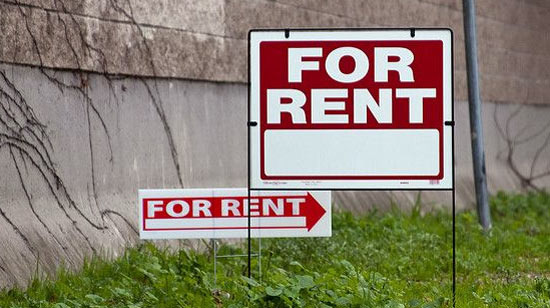
Rental scams during moving season, current trending methods, and five essential rules to avoid them
So, everyone. It seems like every moving season, suddenly there are so many "good landlords" that it's hard to believe the outrageous listings that flood in.
But the truth is, it's not that there are more houses; it's that there are more scammers. Many people end up crying tears of frustration instead of moving their belongings after contacting a listing that seems too good to be true. Today, I will summarize some particularly common malicious tactics and practical preventive measures you can use right away.
The most common and frightening type is the "I'm the owner" scam. This is often referred to as fake subleasing, where a scammer rents a house through Airbnb or short-term rental for a few days. After that, they pretend to be the landlord or a student returning home urgently, advertising at a super low price. They are confident when showing the house. They have the keys and the place looks clean, so there's no suspicion.
Then they deliver the final blow. They say there are over 20 applicants, and if you send the deposit and first month's rent right away, it's yours. This creates urgency. The outcome is predictable. They take the money, change their number, and disappear. On moving day, you might find a line of people like me waiting with trucks. This scam can usually be caught by simply asking the management office one question: "Is this person a real resident or the owner?" Just that one question can end it. It's standard to verify ID, and asking for proof of ownership documents is nothing to be embarrassed about.
The second type is the "Download this app and check your credit" scam. This has really increased lately. It's especially common on Craigslist or Facebook Marketplace. The scammer sends a link, urging you to pull your credit report before coming to see the house, claiming it's an exclusive application for our apartment. However, that app is a phishing app. The moment you install it, it steals your personal information, card details, and even things from your phone. A few days later, you'll see unauthorized charges from overseas. The defense is simple. Block any links from unverified sources. You can pull your credit score directly from a reputable source and show it. If the other party insists, "It has to be done through this link," it's best to hang up and ask where they are scamming from.
The third type is the "I'm currently abroad" scam. They might say they can't show the place because they are serving in the military, on a mission, or have been assigned overseas. These statements are almost 100% scams. They might send a few photos and say to check Google Maps, claiming the house is nice and that they will send the keys via courier once you send the money. This combination should raise immediate red flags. They often price it below market value to exploit the fear of missing out. Once you send money without seeing the actual place, it's over. The principle is to never deposit money before confirming the physical property. If they suddenly get flustered or angry when you ask for a video call to show the inside or to turn on the water, then it's definitely a scam.
The fourth type is the Zillow clone scam. This one is really clever. They copy a legitimate listing entirely and just lower the price to half. The photos and descriptions are identical, but they change the contact number to that of the scammer. In this case, you can search the address on Google. If the same photos appear in multiple places with different prices, the cheapest one is overwhelmingly likely to be a scam. It's also good to reverse search the images on Google. Sometimes, the photos are of houses that have already been sold in another state.
Finally, to avoid scams, just remember these five essential rules.
First, be especially cautious with payments made via cash or money transfer apps like Zelle or Venmo. Once sent, it's hard to cancel, making it a favorite for scammers.
Second, if the deal seems too good to be true, be suspicious. If it's 20-30% cheaper than the market rate, it's likely a bait, not an opportunity.
Third, if it's an apartment complex, always stop by the leasing office to verify. Even if someone claims to be subleasing, you could be evicted later without office approval.
Fourth, do not make any deposits before exchanging signed contracts. This is especially true until the keys are in your hands.
Fifth, verify photos using Google Lens or image search. Just doing this can filter out half of the scams.
Moving is indeed an exciting event. However, when that excitement turns into haste, scammers thrive on it. Taking the time to verify and double-check is ultimately the fastest way to ensure safety. Secure your contracts and be aware of scam tactics to avoid falling victim.





 eatontown blog |
 Toaster Pizza Magic Show |
 US Embassy |
 fortbliss |
 Folding Instructions |
 Your Curiosity Resolved |
 LIZ Legal Information Blog |

 Jean Claude Bundang Blog |
 Nuchuhan Exploration BLOG |
  Tonky |
  viroma |
  cookie |
  Live and that's it |
  Alright Twain |
  HAWAII Korean Church News |
  Amore |
  linex |
  Balancework |
  laro90 |
  MEDBIO American Doctor Blog |
  SWAT TEAM BLK |
  DREAM BIG |
  frostbite |
  330 Forever My Love |
  El Dorado |
  dralix58 |
  Gorama Round |
  Skydiving |