

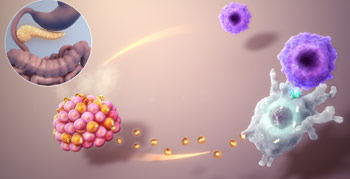
Differences in Causes of Type 1 and Type 2 Diabetes
Type 1 diabetes primarily occurs due to genetic predisposition. The main cause of type 1 diabetes is an autoimmune disease where the cells that secrete insulin in the pancreas are attacked by the immune system, leading to a loss of function. As a result, insulin is either not secreted at all or is insufficient, making it impossible to regulate blood sugar properly.
On the other hand, type 2 diabetes is closely related to lifestyle factors. Excessive carbohydrate intake (especially excessive consumption of liquid fructose and refined sugars), obesity, lack of exercise, and chronic stress are the main contributing lifestyle factors. Type 2 diabetes is characterized by insulin resistance, where insulin is normally secreted, but the cells do not adequately respond to it. This is thought to arise from modern eating habits—excessive sugar and carbohydrate intake combined with humanity's historical ability to efficiently maintain blood sugar for survival during famines, which has not adapted to rapidly changing dietary habits. For example, foods containing liquid fructose or refined carbohydrates are identified as major causes. Particularly, obesity and lack of exercise also have a significant impact.
Interestingly, there is currently no evidence directly linking alcohol and tobacco to the onset of diabetes. Additionally, some studies suggest that Koreans have relatively smaller pancreas sizes, which may lead to decreased function and a higher likelihood of developing type 2 diabetes. Meanwhile, there is also a perspective that carbohydrates like white rice may influence the onset of type 2 diabetes. Therefore, type 2 diabetes is primarily a disease caused by dietary and lifestyle factors, making balanced meals and regular exercise important for prevention.
How to Prevent Blood Sugar Spikes
Frequent consumption of high-sugar foods can excessively stimulate insulin receptors, gradually damaging them. Insulin receptors play a crucial role in helping body cells process and store blood sugar, and if they are required to handle excessive amounts of sugar continuously, they may become depleted, leading to insulin resistance. Insulin resistance makes it difficult for cells to respond properly to insulin, complicating blood sugar regulation and potentially leading to type 2 diabetes.
It is important to note that high-sugar foods do not only refer to sugars in snacks or beverages, but many foods containing carbohydrates, such as fruits or fresh produce, can also be digested and converted into sugars in the body, significantly raising blood sugar levels. Frequent consumption of such foods can lead to larger fluctuations in blood sugar and frequent blood sugar spikes.
Blood sugar spikes refer to the rapid increase in blood sugar levels after meals, which is a major cause of insulin resistance. Repeated blood sugar spikes can lead to excessive insulin secretion, weakening pancreatic function and ultimately causing diabetes. Therefore, to minimize blood sugar spikes, it is important to reduce sugar intake and balance meals. This can help prevent the onset of diabetes.
To prevent blood sugar spikes, it is beneficial to choose foods that do not cause rapid increases in blood sugar after meals and to consume complex carbohydrates (fiber-rich foods). Such eating habits are not only helpful in preventing diabetes but also contribute significantly to overall health maintenance.
Diabetes Reduces Average Lifespan by 8 Years
Diabetes does not cause immediate pain, but it can have very serious long-term effects on the body. When blood sugar rises, the viscosity of the blood increases, making it difficult for blood supply through peripheral nerves, which can lead to necrosis in the body's extremities due to insufficient supply of nutrients and oxygen. In this process, nerve cells can also be damaged, leading to a lack of pain sensation, which delays the recognition of problems.
Common complications of diabetes include diabetic peripheral neuropathy, diabetic retinopathy, diabetic nephropathy, diabetic neuropathy, and diabetic foot, and cardiovascular diseases such as myocardial infarction or arteriosclerosis can progress severely. Such complications can ultimately lead to serious outcomes, including sudden death. The fear of diabetes lies not just in the high blood sugar itself, but in the long-term damage to the organs and areas with small blood vessels throughout the body, leading to complications.
Diabetes often does not cause specific symptoms in the early stages, leading many to delay treatment even after diagnosis. As a result, this disease, nicknamed the "silent killer," is often in a significantly advanced state by the time complications begin to appear. Diabetic patients have an average lifespan reduced by about 8 years, with a 2-3 times higher mortality rate and increased risk of sudden death, making proper treatment and management crucial.
The treatment goal for diabetes is to delay the onset of complications as much as possible. It is important for diabetic patients to manage their blood sugar to postpone the occurrence of complications as much as possible.
Especially for those diagnosed with diabetes at a young age, if not managed properly, lifespan can be significantly shortened and quality of life can deteriorate. Conversely, with careful management, one can live longer and healthier. Additionally, many diabetic patients often have other comorbidities such as hypertension, hyperlipidemia, and angina. In such cases, not only diabetes management but also overall health management becomes even more important, and the prognosis may not be good.
Therefore, early detection and thorough management of diabetes are crucial, as this can help prevent complications and maintain quality of life.







 neroyo |
 nivex85 |
 Old English |
 nixxon |
 LIZ Legal Information Blog |
 conte |
 Then you must be spring |

 Northeastern |
 fantastic |
  Tora Tora |
  yellowbutter |
  Dolly |
  US Embassy |
  NYC saladbar |
  Finding Superfoods |
  lightyear |
  song bang |
  vexomo |
  Indiana Jones |
  meloncat |
  novapixel |
  mortrix |
  Esther 1983 |
  fortbliss |
  Moscow Kim |
  My Two Way |
  toastyfox |
  FLORIDA Acus |
  tracker |