


Anchorage, the largest city in Alaska, is known for its beautiful nature and high income levels, but it is certainly not a cheap city when it comes to the cost of living.
In fact, the cost of living index is reported to be around 130 when the US average is considered to be 100. In simple terms, this means that living expenses are about 30% higher than the national average.
Many people think, "Isn't housing in Alaska cheap?" but the reality is a bit different. Anchorage, being the most populated city in Alaska, has a steady demand for housing. The recent median home prices are around $420,000 to $450,000, and homes in the South Anchorage area, which has good school districts, often sell for much higher prices.
Rent is also not easy on the wallet. A one-bedroom apartment typically costs around $1,300 to $1,600 per month, with some areas being even more expensive. While demand for moving decreases in winter, properties often get rented quickly in summer, so it's advisable to prepare in advance to find the desired home.
The main reason for the high cost of living is logistics. Since Alaska is separated from the mainland US, many everyday items and groceries are transported by boat or air. Shipping costs are reflected in product prices, so it's not uncommon to find higher prices at supermarkets compared to the mainland.
Especially fresh fruits and vegetables can have significant price differences depending on the season. Common ingredients like bananas, strawberries, and lettuce are often sold at higher prices than in the southern US. However, seafood like salmon and cod tends to be relatively fresh and competitively priced.
Utilities are also a concern. Due to the long and cold winters, heating costs can be substantial. Well-insulated homes are manageable, but older homes may incur higher heating bills than expected during winter. While air conditioning is rarely needed in summer, winter heating costs take up a significant portion of expenses.
Car maintenance costs are also somewhat higher than in other states. Winter tire changes and vehicle upkeep are essential, and maintenance costs for driving in snowy conditions should be considered. However, Anchorage does not experience severe traffic congestion like other major US cities, so commuting stress is relatively low.
There are certainly positive aspects as well. Alaskans receive a Permanent Fund Dividend from the state government, and there is no state income tax. Additionally, there is no sales tax at the state level. These factors can help offset the high cost of living to some extent.
Jobs are also important. Anchorage has many job opportunities in healthcare, aviation, logistics, oil and gas industries, and government agencies, with average wages being higher than the national average. Therefore, if you can secure a stable job locally, you can manage the high cost of living to some degree, but if you move for remote work or lower-paying jobs, you may feel a significant financial burden.
Ultimately, Anchorage is more of a city where you choose to accept a high cost of living in exchange for beautiful natural surroundings and a high quality of life, rather than a "cheap place to live." If you are planning to move, it is essential to consider not just housing prices but also groceries, heating costs, and car maintenance when budgeting, as this will be the first step toward a satisfying life in Alaska.
 LimeRider
 ChocoMuffin
 skyroadtraveler1983
 AssaultMon







 |
| 
 Premium Gas Camp |
 CA Real Estate |
 cheesepup |
 breezem |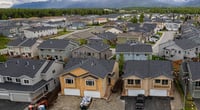
 AL ALASKA |
 Sunny's Travel in America |
 Alaska Kim |

 Jelly Planet |
  Sammy Beach |
  Bliss O |
  blue ocean |
  greenlight |
  Watanaka Karametibaksa |
  castle |
  xelton52 |
  carefree |
  vrixen73 |
  AZ Road Master |
  Victory 1988 |
  summita |
  business lim |
  Colorado Lee |
  Make My Day |
  Fros Pro |
  lioness |
  La Bean |
  American History This and That |
  Monte Sori |