

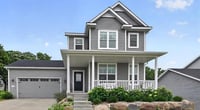
Let's follow a family that was looking at both Madison and Milwaukee with a budget of around $400,000. Although both cities are in Wisconsin, the down payment plans differ when considering home prices and tax structures.
The median home price in Madison is $440,000 as of May 2026, which is a 1.4% increase from the previous year (Redfin). Based on this amount, the down payment calculations are as follows: 3.5% is $15,400, 5% is $22,000, 10% is $44,000, and 20% is $88,000.
This family initially planned to start with a 5% down payment. However, after consulting with a loan officer and calculating the PMI (Private Mortgage Insurance) costs, they found that the monthly payments were higher than expected. They confirmed that PMI applies when the down payment is less than 20%, and it is waived when it is 20% or more (NerdWallet). Ultimately, they decided to save more money to reach a 10% down payment.
They also checked their credit scores. As of July 2026, a score above 780 is 6.59%, in the 760s is 6.66%, in the 740s is 6.75%, and in the 700s is 6.91% (themortgagereports.com). This family had a credit score in the 740s but lowered their credit utilization to raise it to the 760s three months before applying for pre-approval.
Wisconsin has the WHEDA (Wisconsin Housing and Economic Development Authority) Easy Close Advantage program. This is a 10-year fixed second mortgage that can be used alongside a WHEDA first mortgage, providing up to 6% of the purchase price for down payment and closing costs. A credit score of 620 or higher and income requirements must be met, and homebuyer education is also required (WHEDA, as of 2026). There is also a program called WHEDA Advantage FHA, which allows the Easy Close Advantage DPA to cover the minimum 3.5% down payment required by FHA loans. This family ultimately chose to save for a 10% down payment, but for families with tight initial funds, this combination could be an alternative option.
The DTI (Debt-to-Income ratio) is recommended to be below 43% according to Qualified Mortgage standards (Consumer Financial Protection Bureau). This family had a somewhat high DTI due to an auto loan, but maintaining their balance without taking on new debt before closing helped with approval. During the approval process, having reserves is just as important as the down payment; lenders often check if there are enough funds to cover several months of principal and interest after closing. This family had their last two pay stubs and tax returns organized in advance, which helped shorten the review period.
Property taxes were also a comparison point. The effective tax rate in Wisconsin is 1.51% (propertytaxrates.org, as of 2026). For a $440,000 home, this results in an annual tax of $6,644. Compared to Milwaukee, there are differences in tax rates by county, making simple comparisons difficult, but it is wise to check the tax rates for each county before purchasing. If there had been plans to change jobs, they would have needed to postpone closing, but this family continued to work at the same job, which positively impacted their income stability.
School districts in Madison also vary in ratings by area. While referencing GreatSchools or state education department ratings, it is important to check the assigned school directly before purchasing, as district boundaries often change. Ultimately, this family received approval after working on a 10% down payment, improving their credit score, and reviewing WHEDA support. This case illustrates how the down payment ratio, type of loan, and allocation of reserves can affect the time to approval and monthly obligations, even when starting from the same budget of around $400,000. This is not investment or legal advice, and it is recommended to consult with professionals before making any actual contracts.
 HoneyJoyful
 PotatoChip







 moo moo |
 ultron78 |
 garlic bread |
 Sugar Cream Door Bulletproof Noodles |
 urbanmint |
 Superman Cat Blog |



 My Love Bambino Alaview |
  The Gelaton |
  Twist Kim |
  berlon93 |
  Physical Laws and Science |
  good thinking |
  Solo Yolo |
  Mr Oh |
  laro90 |
  San Diego TOP Idol |
  Round and Round Children's Song Kingdom |
  American Golf Course Travelogue |
  MEDBIO American Doctor Blog |
  Hot Seat Driver |
  bryvexi |
  koala organic farm |
  riverstone |
  My Antonio |
  California Information News |
  chilli chilli |
  Moon Su San |