

When people think of the Renaissance, they usually picture a time of splendid art, humanism, and geniuses like Da Vinci and Michelangelo praising human beauty. However, if we think a little more critically, the true driving force that opened that era was not grand philosophy or outstanding geniuses.
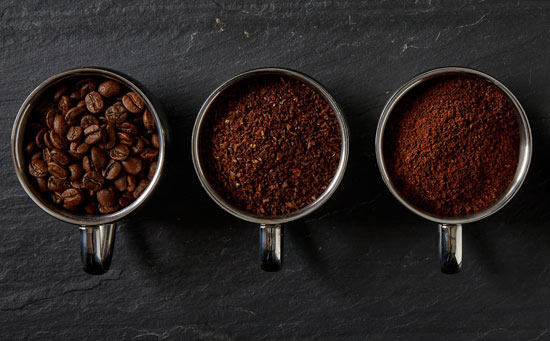
To be honest, it was the bitter liquid made by roasting beans, that is, coffee, that kept people tied to their desks and turned them into workers, creating a new world. Just as today's IT developers can't write a line of code without caffeine, the intellectuals of the Renaissance might have established a sacred nap empire instead of the Holy Roman Empire if they had been without coffee.
At that time, Europeans originally lived by drinking alcohol instead of water. Since the water was contaminated and could cause illness, they drank beer and wine even during the day. So, it's not surprising that they were not fully alert, and one could jokingly say that the long duration of the Middle Ages might be due to a 'history of drunkenness.'
Being intoxicated during the day and night, praising God while not bathing, one day, suddenly, the substance called coffee arrived. Drinking it instead of alcohol cleared their minds, and as their minds became clear, the world began to appear suddenly complex and strange to them. "Well, should I start thinking too?" they might have said.
Thus, the beginning of the Renaissance was not actually a victory of thought but a victory of stimulants. Drinking coffee sparked a 'sudden desire to work.' Eyes that had been hazy from a lifetime of alcohol suddenly opened wide, leading to the realization that "Ah, humans are not tools of God, but beings that think for themselves!"
Of course, behind that realization was a truth mixed with a sigh. Now that they realized it, they had to work. The greatest change that the black liquid called coffee brought to humanity was not "restored reason" but "restored working hours."
From here, everything began to change. Artists, who had painted only churches for decades, developed a new desire to "paint people," and merchants, smelling money, advanced the financial industry.

Scholars began to reduce their sleep and write more, and even philosophers started to doze off at their desks, drinking coffee and extending the length of their papers. Today's university professors don't drink three cups of coffee a day for no reason. It's not just culture; it's tradition. It could even be called a bad habit of the Renaissance.
Of course, we admire the Luxor statues and the ceiling of the Sistine Chapel. But did that art really come from pure inspiration? Or was it because someone said, "Hey, if you don't finish by the deadline, you won't get paid?" And did Michelangelo, upon hearing that, gulp down coffee and work through the night? Perhaps humanity's greatest artworks are the fruits of caffeine awakenings from those who couldn't sleep.
And through all this process, humanity reached an important conclusion. "Awakening is good, but I don't want to work more because of that awakening." So, after the Renaissance, people began to accumulate knowledge to create technology, to build machines, and ultimately to invent 'beings that work instead of humans.'
Thus, the reason humanity has diligently progressed for 500 years is not a pure desire for advancement but a desire to avoid work. Copernicus, Galileo, and Newton must have all shared the same sentiment: "Humans should no longer work. Machines, you do it."
In the end, we can say that the history that began from the moment humanity switched from alcohol to coffee is the Renaissance. This bitter drink awakened humans, and as humans became awake, they began to think, and as they thought, they worked, and through work, they created technology, which eventually led to the invention of coffee machines.
And today, we stand once again in front of that coffee machine, awakening ourselves. Even though the Middle Ages have ended, we are still working.
Indeed. The Renaissance was not an era when humans broke free from God, but rather an era when they broke free from sleep and were forced to work. Because of a cup of bitter liquid, humanity has worked for hundreds of years, is still working, and will continue to work in the future.







 Conflite Teacher |
 SEVEN SEVEN |
 Korean Mom |
 novapixel |
 Peter Pan Pet |
 nivex85 |
 yentra |
 U.S. Weather Bureau News |
 Fairfax Fox |
  vexo90 |
  As Always Today |
  veltar87 |
  United States National Administrative Organization Stories |
  springwaltz |
  dense |
  Tiger Milk Foam Research Institute |
  Oreore Mushroom |
  optimistic |
  Good Good |
  berion88 |
  bravo777 |
  skyblue |
  Project Tomorrow |
  apricotla |
  Soy Angelino |
  nati8 |
  NE Hodori Preik |
  washington mom |
  celtics |