

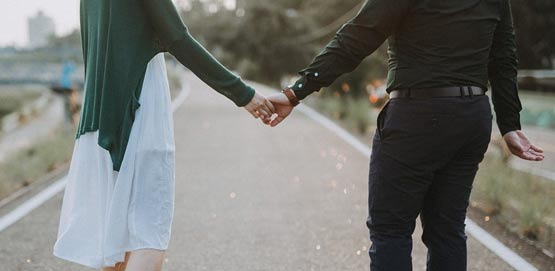
I started using dating apps in the U.S. five years ago.
Tinder, Bumble, Hinge, Coffee Meets Bagel... I swiped countless times, chatted, sometimes met and got disappointed, and then hoped again... I spent my time like that.
The history of dating apps in the U.S. is quite interesting.
In the early days, serious relationship sites like Match.com and eHarmony were at the center.
However, in 2012, Tinder changed everything. It became possible to meet someone with just a few photos and a simple self-introduction on a smartphone, and dating became 'gamified.'
The action of swiping on the screen contained likes and rejections, and while accessibility increased, authenticity decreased.
Numerous studies and user experiences show that racial preferences are very overt on dating apps. In particular, Asian men have the lowest matching rates in the U.S. dating market. This is not just a feeling; it has been revealed through data accumulated by OkCupid over the years. Female users tend to choose Asian men less and have lower message response rates.
I too have lived through countless 'Left Swipes.'
No matter how much I polished my profile, changed my photos, and rewrote my text, the results did not change significantly. Some apps I went a month without matching with even one person. In contrast, my white friends matched with dozens of people daily, met, and dated... at the same time, in the same space, on the same app, we were having such different experiences.
Of course, not all apps are the same. For example, apps like Coffee Meets Bagel and Hinge attempt to match based on preferences and conversations, and Asian men's performance is relatively better. In fact, I met a woman on Hinge and dated her for over a year, and there were times it almost developed into serious relationships. But most ended shortly. I still don't know if it was due to the app's structure, our cultural differences, or simply a matter of 'timing.'
As dating apps have become so popular, legal issues and commercial side effects have also grown. Issues like fake profiles, scams, data leaks, coercion into paid subscriptions, addiction problems, and emotional manipulation through AI chatbots are just a few of the social problems created by a single app. The fact that Match Group owns multiple apps like Tinder, Hinge, and OKCupid has also contributed to diminishing market diversity.
However, these days, the atmosphere is not the same as before.
The number of dating app users in the U.S. has stagnated or decreased in the last 2-3 years. Especially Generation Z is feeling fatigue from this 'swipe culture' and there is a growing trend of wanting to find "real relationships offline."
On YouTube and TikTok, movements like 'Dating App Quit Challenge' and 'Dating App Detox' can also be seen. I too deleted the app for a while, thinking about meeting people directly, and participated in community activities, study groups, and sports meetings.
Ultimately, what I feel is this. Dating apps have broadened the possibilities of dating while devaluing the worth of relationships.
We judge people with just a few swipes, our ideal types become increasingly picky, and we move on to the 'next person' at the slightest mismatch.
There are many options, but real encounters are decreasing.... In the end, I learned that cultivating the authenticity and charm of my life is important.
Apps are just tools.
People want real encounters between people.







 Khan Film Blog Production |
 dermoon |
 hoosierdaddy |
 sun walker |
 Let's Be Like a Salt-like City Person |
 Weekend Movie Blog |
 Beauty, Health, Lifestyle Blog |
 coloradoman |
 Superman Cat Blog |
 novapixel |
  Korean Mom |
  My NYC |
  moo moo |
  Mr Oh |
  forevergee |
  festival |
  manchester |
  constant |
  Leapfrog Move |
  vibranto |
  Tora Tora |
  yellowbutter |
  Dolly |
  US Embassy |
  NYC saladbar |
  Finding Superfoods |
  lightyear |
  song bang |
  vexomo |
  Indiana Jones |