
These days, Las Vegas is not what it used to be, and tourism in LA is being shaken by immigration policies and rising costs.
This brings to mind the question, "Is Florida a state that would collapse without tourists?"
To put it simply, while tourism is indeed a key pillar of Florida's economy, it is not the only thing that keeps the state running.
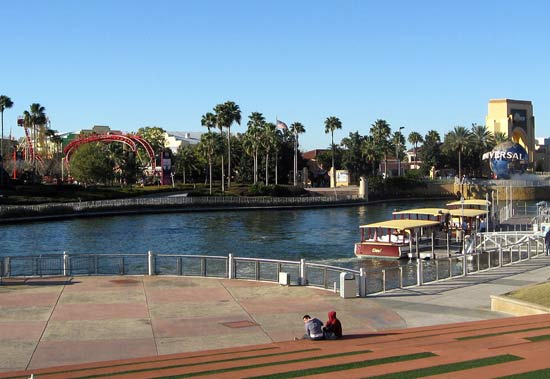
However, it is true that a decline in tourism can have a significant impact. Florida has a very strong image. From Disney World, Universal Studios, Miami Beach, Cape Canaveral, cruise ports, to the snowbirds who come to escape winter. The structure of external visitors spending money is one of the forces that keeps the entire economy moving. Everything from hotels, resorts, restaurants, boat tours, to souvenirs like Disney character t-shirts is consumption driven by tourism demand.
But tourism is not the only factor. Florida is a state with many retirees. Every year, people drive down from the cold northern states when winter arrives. They buy homes, rent condos, pay taxes, and use hospitals and shopping centers. Even if the number of tourists decreases, the demand for retirement migration and long-term stays remains steady. Therefore, it is difficult to say that the state relies solely on tourism.
Another important industry is agriculture. The production of oranges, grapefruits, sugarcane, tomatoes, and vegetables is quite substantial. Florida orange juice has a brand image of its own. When hurricanes damage crops, it quickly makes the news, indicating that agriculture is not a small part of the economy. There are also sectors like healthcare, aerospace, and port logistics. Cape Canaveral often appears in broadcasts of rocket launches and SpaceX, while the Port of Miami is a hub for cruise and cargo logistics.
So why is Florida more sensitive when tourism is shaken?
The reason is simple. Tourism creates a chain of consumption. Tourist spending is an unseen force that continuously circulates the local economy.
Therefore, when the number of Disney visitors decreases or cruise passengers drop, local media reacts immediately. Florida's economy has a high proportion of tourism, so the shock is significant, but it cannot be concluded that it would collapse immediately without tourism. However, if tourism remains stagnant for a long time, Florida's advantages may weaken, and even if the economic strength can endure, the felt impact will be quite large.
Here lies the difference with LA and Las Vegas. Vegas is almost 100% tourism, so when customers drop, revenues plummet, and the casino and hotel industries are greatly shaken. Florida's cities are different; while Miami and Orlando are tourism-centric, Tampa, Jacksonville, and Panama City also have industrial, residential, and military facilities.
In other words, each city has a different constitution. Florida may not have such a complex portfolio, but it still has more support than just being a "tourism one-trick pony." At the very least, it is not a structure that would immediately struggle like Vegas if tourists stopped coming.However, one should not be mistaken. It is clear that tourism is a key pillar, and if Disney, beaches, cruises, and winter visitors disappear, the atmosphere in the state will definitely change. In the long run, if the number of tourists decreases, it will create a domino effect that shakes everything from hotels to restaurants, shops, and street businesses, so it is not a matter to be complacent about.
Florida ultimately stands on an ecosystem that revolves around sunshine, sea, and vacations, and the flow of people coming in from outside and spending money must be maintained for it to thrive. The reason this area is alive is ultimately thanks to the "visitors."






 oh my salami |
 Komet Park |
 Victory 1988 |
 US Home Buying Information Home Insurance |
 Dr. Kelso |
  Tonky |
  viroma |
  cookie |
  Live and that's it |
  Alright Twain |
  eatontown blog |
  HAWAII Korean Church News |
  Amore |
  linex |
  Balancework |
  laro90 |
  MEDBIO American Doctor Blog |
  SWAT TEAM BLK |
  DREAM BIG |
  frostbite |
  330 Forever My Love |
  El Dorado |
  dralix58 |
  Gorama Round |
  Skydiving |