

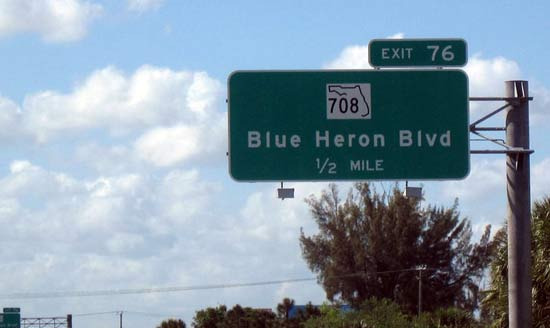
When traveling by car in Florida, one feels something. The roads are wide and the paths stretch out comfortably, but the atmosphere is different from the freeways in the West or North. The sunlight hits almost at a right angle, and the scenery around the freeway features endless flatlands and swamps, with palm trees appearing occasionally.
Sometimes, the sea and swamps are so abundant on both sides of the road that one might think, "Did they really build this road like this?" Florida freeways have many straight highways on flat land, making it easy for novice drivers to drive without much burden, but within that simplicity lies unique characteristics and challenges.
The first noticeable aspect is the tollways. Florida has a high rate of toll booths, so when you turn on Google Maps, you often hear, "Toll Road included." Especially on the freeways around Orlando and Miami, it can be tricky if you rely solely on cash payment at the toll booths without a toll pass.
Most people use a SunPass tag in their cars, but if you don't have one, you might often receive toll fee bills in the mail. Many people who visit and return their rental cars end up getting toll fee bills a month later. There are many tolls, and the fees can accumulate easily.
Moreover, while the endless straightness of Florida freeways is good, it can become really dangerous if you start to feel drowsy. There are almost no mountain roads or curves, making the rhythm monotonous, and if you turn on cruise control, your sense of time can blur. Driving is comfortable, but the boredom is not without reason.
However, once it starts to rain, the situation changes dramatically. Florida's characteristic sudden downpours can come down so hard that visibility is almost gone. Normally dry and sunny, when it rains, shallow water can quickly form on the road, and it's common for tires to skid. As a result, speeds slow down, and cars with hazard lights start appearing in a line.
Another impressive point is the natural scenery around the freeway. As you head north from Miami, there are long stretches where swamps (Everglades) are on both sides, and near Orlando, lakes, flatlands, and large conservation areas repeat.
Due to Florida's rare mountainous terrain, the scenery next to the freeway follows a basic pattern of "wide, flat, and water-rich" instead of having intricate changes. Thanks to this, the sky appears incredibly vast, and the sunsets seen while driving are stunning. The feeling of driving with the Atlantic breeze as the sunset turns red offers a different charm from the western deserts.
Speed limits vary by region but are generally high, and as you head south, driving styles become bolder. As you go north, the feel becomes a bit more relaxed and orderly. Interestingly, rest areas are adorned with souvenirs, restaurants, and pictures of mangrove trees, creating a traveler-friendly atmosphere. Stopping briefly during a long drive to grab a coconut water makes you think, "Ah, I am in Florida."
In summary, Florida freeways can be summarized in three words: straight, swamp, toll road. Driving is easy but monotonous, weather variables are significant, and toll fees can become a subtle burden. However, the roads along the coastline offer beautiful scenery, great sunsets, and a pleasant driving experience even in winter.
If California's mountainous highways are dynamic, Florida is closer to a 'tranquil highway.'
Thus, it becomes a comfortable environment for travelers, boring for long-distance drivers, and a stress-free driving environment for retirees.






 candytip |
 Gold Bar |
 Pirate Ship Popcorn Maker |
 Montgomery Mom |
 Anjollinya Blog |
 Rainbow Bridge to the Sky |
 Taco Bell Candy Note Blog |

 Splendid Mission |
 US Embassy |
  Korean Mom |
  My NYC |
  moo moo |
  Mr Oh |
  forevergee |
  festival |
  manchester |
  constant |
  Leapfrog Move |
  vibranto |
  Tora Tora |
  yellowbutter |
  Dolly |
  NYC saladbar |
  Finding Superfoods |
  lightyear |
  song bang |
  vexomo |
  Indiana Jones |