

El Paso and Houston are both located in Texas, but experiencing life in each makes you wonder, "Are they really in the same state?" The climate characteristics are completely different. El Paso in West Texas has a high desert climate, while Houston in East Texas is influenced by the humid subtropical climate of the Gulf of Mexico, resulting in distinctly different weather patterns in both summer and winter.
First, El Paso's climate is a typical high desert climate. The entire city is situated at an elevation of about 1,140 meters, making the air relatively thin and dry. From June to August, it is common for daytime high temperatures to exceed 35 to 40 degrees Celsius, and on particularly sunny days, temperatures can rise into the mid-40s. However, this heat feels more like an 'oven' than a 'sauna.' With very low humidity, simply stepping into the shade can significantly drop the perceived temperature, and sweat evaporates quickly, leaving the skin feeling dry. This is why El Paso residents say, "It's hot, but bearable."
In winter, from December to February, the weather is surprisingly mild. Daytime temperatures often average around 14 to 16 degrees Celsius, making for pleasant days where you can walk around without a coat due to the strong sunlight. However, due to the desert climate, there is a significant temperature difference between day and night, and it can drop sharply after sunset, occasionally reaching below freezing. Snow is rare, but you can see white snow piled up in the surrounding mountains.
In contrast, Houston's climate is a completely different world from El Paso. Houston is directly affected by the warm, humid air from the Gulf of Mexico. During the summer months of June to August, the temperatures are generally in the low to mid-30s Celsius, which seems lower than El Paso, but the humidity can reach 70 to 90%, making the perceived temperature much higher. Just standing still can cause sweat to flow and clothes to cling to the body, creating a typical 'sauna-like heat.' If El Paso's heat is like a dry furnace, Houston's heat is closer to a boiling pot. Living without air conditioning is nearly impossible.
Houston's winter is even more distinct. Between December and February, there are many days when daytime temperatures rise to 18 to 22 degrees Celsius, and it is rare for temperatures to drop below freezing. Snow is extremely rare, and even in winter, green grass and palm trees thrive. The atmosphere is completely different from El Paso's clear, cold winter air.
The biggest difference between the two cities is undoubtedly humidity. El Paso's dry desert climate can lead to dry skin and a stuffy nose, but sweat dries quickly, making it easier to stay active. In contrast, Houston's air is heavy and sticky, making it easy to become fatigued with just a little movement. However, there are also similarities. Both cities, true to Texas, experience intense summer heat, and winters are relatively short and mild. In summer, staying hydrated and having cooling measures are essential, while in winter, both cities do not experience prolonged severe cold spells.
Ultimately, El Paso has a strong but dry desert climate with significant temperature variations, while Houston has a slightly lower temperature but high humidity, resulting in a very uncomfortable marine subtropical climate. It is rare to find such extreme climate differences within the same state of Texas, so if you are considering travel or relocation, it is important to understand and choose based on these differences.








 fortbliss |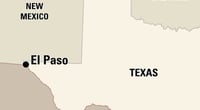
 Tomex Train Uncle |
 hexon |

 Spicy Immigration Life |
  DREAM BIG |
  frostbite |
  330 Forever My Love |
  El Dorado |
  dralix58 |
  Gorama Round |
  Skydiving |
  dreamport |
  Yellow Snowman |
  Toaster Pizza Magic Show |
  velvetnom |
  Anytime Journey |
  Mrs. Duluth |
  jaxter |
  Atlanta Mama |
  Baguette Blog |
  Tan Sol |
  US Embassy |
  Korean Mom |
  My NYC |