

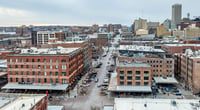
Omaha, being a city in the Midwest, has a friendly and relaxed social culture with various drinking venues such as bars, breweries, and restaurants. The Old Market district in downtown Omaha is a hub for bars and restaurants, where many people gather to socialize on weekend evenings. Omaha has a vibrant craft beer culture, with local breweries like Benson Brewery, Scriptown Brewing, Infusion Brewing, and Vis Major Brewing operating in the area.
Understanding Nebraska's alcohol laws and Omaha's drinking regulations is important for safety and legal issue prevention. The minimum legal drinking age for purchasing and consuming alcohol in Nebraska is 21 years old. Many alcohol-selling establishments (bars, restaurants, liquor stores, etc.) require ID (driver's license, passport, or other official photo ID) to be presented, and selling alcohol to anyone under 21 can result in the establishment losing its liquor license. Drinking in public places (streets, parks, etc.) is generally prohibited by Omaha city ordinances.
It's also important to be aware of alcohol sales hours. According to Nebraska law, alcohol can be sold from 6 AM to 2 AM the following day, and bars and drinking establishments in Omaha operate within this timeframe. Some liquor stores may close earlier than this. On Sundays, Nebraska allows alcohol sales, but the start time may differ from weekdays. Grocery stores also sell beer, wine, and liquor.
The most critical legal issue to be aware of in Omaha is the penalties for driving under the influence (DUI). The legal blood alcohol concentration (BAC) limit in Nebraska is 0.08%. Commercial drivers (CDL) have a lower limit of 0.04%, and drivers under 21 have a limit of 0.02%. A BAC of 0.15% or higher results in aggravated DUI penalties.
For first-time DUI offenders, Nebraska may impose penalties including up to 60 days of incarceration (typically more than 7 days), fines of over $500, a 6-month license suspension, and the installation of an ignition interlock device. Additionally, completion of a DUI education program and probation may be mandated. Penalties increase significantly for repeat offenses. For a second offense (within 10 years), a minimum of 30 days of incarceration, a license suspension of over 1 year, and mandatory installation of an interlock device for at least 1 year apply. Third offenses can be treated as felonies.
If arrested for DUI, police will request a breath test on-site. Under Nebraska's implied consent law, anyone driving in Nebraska is considered to have consented to a breath test. Refusing the test will result in automatic administrative penalties such as license suspension and can be used as unfavorable evidence in court. It is important to hire a lawyer to handle legal matters if arrested for DUI.
For safe transportation after drinking in Omaha, ride-hailing services like Uber and Lyft are the most convenient options. In busy areas like the Old Market and Midtown in downtown Omaha, the use of Uber and Lyft is common. There are also designated driver services, and local alcohol establishments may participate in campaigns encouraging the use of designated drivers after drinking. Omaha's METRO bus service is available, but it has limited night service, so checking the schedule in advance is advisable.
Within the Omaha Korean community, there is a strong awareness of the need to avoid drinking and driving. Being caught for DUI can lead to more than just a simple fine; it can leave a criminal record that may affect immigration status, particularly during visa renewals or applications for permanent residency or citizenship. It is wise to develop the habit of using designated driver services or ride-hailing apps after drinking for both legal and safety reasons.
 MaxPromo
 CokeZero
 OceanTrend



 Tesla X |
 Another Eden Channel BLOG |
 Victory 1988 |
 Smile Face |
 Helpful Life Stories |
 lunexa |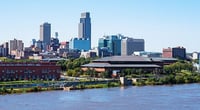
 Nebraska Center Director TOP |

 The Good Life |
  Doori Ark |
  Rainbow Bridge to the Sky |
  Sunny Fullerton |
  U.S. Weather Bureau News |
  GOGO SING |
  Gold Bar |
  Banana Style Life |
  Old English |
  urbanmint |
  forestcloud |
  forever young |
  Arlington house |
  liquid asset |
  Who's watching? |
  eclipse |
  quietwave |
  Hajiwon Blog Hair Salon |
  hoosierdaddy |
  saffronroute |