
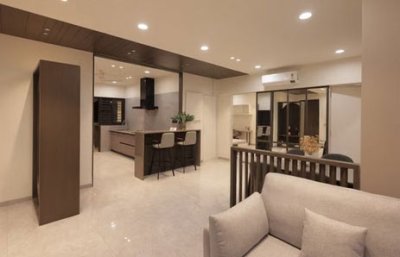
The first hurdle for those preparing to buy a home in New Haven is the down payment. Based on a median sale price of $387,000, gathering just 5% requires $19,350, and to reach 20%, you need $77,400 (Redfin, average for the last 3 months as of May 2026). Depending on how much you prepare for the down payment, your monthly payment and whether PMI is required can vary significantly.
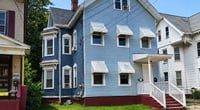
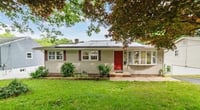
Comparing two neighboring areas, there is a considerable price difference between neighborhoods with high demand, like near Yale University, and those without. According to Zillow, the average home value in New Haven is $323,843, which has increased by 4.3% over the past year; however, this is an overall average, and the variation between neighborhoods can be much greater.
Connecticut's effective property tax rate is around 1.54%, which is relatively high nationally (Tax Foundation, as of 2026). Even within New Haven County, the millage rate varies by town, so it's important to check the actual property tax bill based on the specific town and address before signing a contract.
When comparing loans, FHA loans require a credit score of 580 or higher with 3.5% down, and 10% if your score is between 500 and 579. Conventional loans can start at 3% for first-time homebuyers or those with an income at or below 80% of the area median, but if you put down less than 20%, PMI will apply, while putting down 20% or more waives it, affecting the total cost of both options.
Interest rates also vary based on credit scores. For scores above 780, the rate is 6.59%, in the 760s it's 6.66%, in the 740s it's 6.75%, and in the 700s it's 6.91% (themortgagereports.com, early July 2026). The average 30-year fixed rate is around 6.6% (between 6.55% and 6.72%, Freddie Mac PMMS), and comparing two credit score ranges can show a difference in monthly payments of several dozen dollars, or even over a hundred dollars.
Documents for pre-approval typically include proof of income for the last two years, W2s, recent two months of bank statements, and identification. Closing costs range from 2% to 5% of the loan amount, often including appraisal fees, title insurance, and attorney fees. In New England, the practice of involving an attorney in the closing process remains, so it's wise to budget for this expense in advance.
To reduce the burden of a down payment, the Connecticut Housing Finance Authority (CHFA) offers a Down Payment Assistance Program. This program can provide up to $20,000 at a lower interest rate when combined with a CHFA first mortgage, and it's worth considering the Time To Own program, which can forgive up to $50,000 separately.
When comparing fixed-rate and ARM loans, if you plan to stay for more than five years, a fixed-rate loan is closer to a stable home purchase. If Korean families are considering school districts, they should refer to GreatSchools ratings, but since school district boundaries change frequently, it's advisable to verify the assigned school before purchasing.
At the offer stage, earnest money is deposited at 1% to 3% of the contract price, which is added to the down payment at closing. Appraisal contingencies and the final walkthrough just before closing are procedures that need to be carefully managed, especially in competitive neighborhoods like near Yale.
Comparing neighborhoods near the university and those further out, areas close to Yale tend to have steady rental demand and attract interest for investment purposes, while slightly farther neighborhoods provide relatively more budget-friendly options for actual residents. Regardless of which option you choose, it seems more realistic to consider both rental demand and vacancy rates rather than assuming prices will continue to rise. Families relocating from other states should also compare the differences in school district ratings between the two areas.
This article does not constitute investment or legal advice, and consulting a professional before making any contracts is recommended.
 BerryShampTV
 mintcitytraveler1973






 moo moo |
 ultron78 |
 garlic bread |
 Sugar Cream Door Bulletproof Noodles |
 urbanmint |
 Glassroom |
 Lee Sang Don |
 Dream Mong |
 urban legend |
  coolriver |
  Good Neighborhood, Wealthy District Information |
  Ro Ro Car |
  Amber H |
  Palm 1000 |
  loran |
  donutfield |
  Tennis City |
  sunny7 |
  Questions about firearms while living in America |
  Shoot Me |
  mochifox |
  zucchini |
  Anna Life |
  Exciting FM Radio |
  pet dog |
  toodin |
  rosed |