

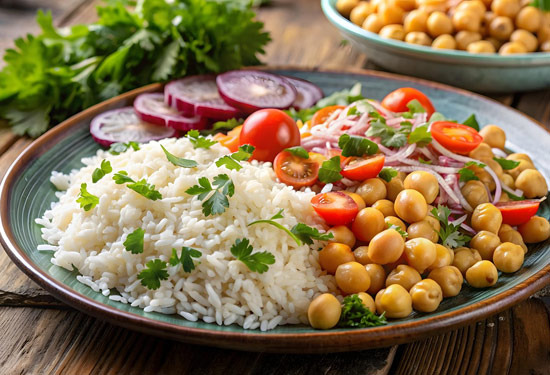
As we age, a meal feels less like just filling our stomachs and more like a choice about how to manage our bodies.
In the past, if I felt bloated, I would just drink a cola, and even if I ate half a chicken alone at night, I was fine. But starting in my late thirties, digestion slows down, and after turning forty, it seems like food stays in my body for a different amount of time.
Depending on what I eat, my condition the next day changes, the effects of exercise vary, and fatigue can linger longer. My appetite remains the same, but my stomach's endurance and metabolic speed are not what they used to be, so what my mouth wants and what my body needs start to diverge.
Moreover, when numbers like cholesterol, fatty liver, and blood sugar start to become a concern during health check-ups, food becomes part of lifestyle management beyond just preference. The reason food choices become harder as we age is ultimately that our bodies can no longer handle everything like before.
Eating well becomes synonymous with managing our bodies, and even the moment of deciding whether to eat late at night becomes a process of adjusting our habits.
In the end, it's not that we have more worries as we age, but rather that our bodies start sending more precise signals, and we become more cautious not to ignore those signals.
As we age, having a few criteria when choosing a menu can help reduce regrettable choices.
The first criterion is to choose less processed foods. The simpler the ingredients, the easier it is on the stomach. Foods that retain their original shape, like fruits, boiled eggs, roasted vegetables, and whole grain bread, are generally less burdensome on the body.
The second is to prioritize protein. As we age, the speed of muscle recovery slows down, so it's good to aim for at least 20g of protein per meal. Choosing protein sources like chicken breast, fish, and tofu first and then matching the rest is effective.
The third principle is to eat lightly as the hour gets late. At night, digestion slows down and it affects sleep quality, so for dinner, it's better to choose lighter options like soup, salad, or roasted fish rather than foods that are high in fat and seasoning.
Finally, it's important to develop a habit of basing choices on how the body reacts. After eating, whether I feel bloated or light the next day becomes clearer, so remembering that feeling and reflecting it in food choices naturally creates a diet that suits me.
Ultimately, I come to think that good food as I age is food that helps maintain my condition until the next day.







 Tora Tora |
 neroyo |
 nivex85 |
 Old English |
 nixxon |
 Alpha and Omega World |
 Yellow Snowman |
 draxen |
 SODA MAKER |
  Tonky |
  viroma |
  cookie |
  Live and that's it |
  Alright Twain |
  eatontown blog |
  HAWAII Korean Church News |
  Amore |
  linex |
  Balancework |
  laro90 |
  MEDBIO American Doctor Blog |
  SWAT TEAM BLK |
  DREAM BIG |
  frostbite |
  330 Forever My Love |
  El Dorado |
  dralix58 |
  Gorama Round |
  Skydiving |