
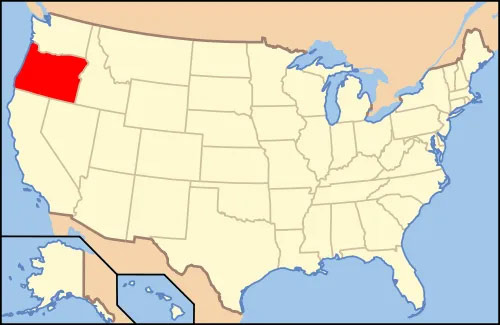
The western coastal region is home to coastal cities along the Pacific Ocean. It boasts stunning natural scenery and is famous for its tourism industry and seafood. This area is rich in seaweed, such as kelp, which is not commonly eaten by locals in the U.S. In spring, it is common to see Korean Americans heading to the coast to gather seafood and seaweed.
Notable tourist attractions in this region include world-famous sand dunes and scenic coastal drives. Cannon Beach, Devil's Punch Bowl, and Cape Perpetua are particularly popular honeymoon destinations. The Tillamook area is also known for its dairy farming. The Tillamook Creamery is well-known for its high-quality cheese and ice cream, attracting over a million visitors each year.
There are also stereotypes about the western coastal region. While there are many beaches, the water temperature is very cold, so not many people actually enjoy swimming. Instead, hiking and coastal city tours are the main activities. Residents of the coastal area are often seen as environmentally friendly and enjoying a relatively laid-back lifestyle.
The central valley region is the heart of Oregon's population. Major cities like Portland, Salem, and Eugene are concentrated in this area. Most of Oregon's population resides here. This area is also the core of agriculture, with temperate crops being abundantly cultivated, including strawberries, cherries, pears, and grapes. The area near Mount Hood is particularly famous for strawberry and wine production. Large farms actively operate in the floral industry, growing roses, tulips, and sunflowers.
Culture and recreational opportunities are also significant attractions of this region. In the Black Butte and Bend areas, you can enjoy breweries, coffee shops, and high-quality restaurants amidst breathtaking mountains, lakes, and waterfalls. Bend is especially favored by those dreaming of retirement due to its peaceful and upscale natural environment.
There are clear stereotypes about the central valley region as well. Portland and nearby cities are known for their progressive tendencies and are hubs for the younger generation and creative culture. It is often referred to as a haven for hipsters. Bend is praised for its natural beauty that resembles Switzerland and its relaxed lifestyle.
The eastern desert and prairie region has a completely different atmosphere. Due to the rain shadow effect, it has a dry climate and very wild natural scenery. Agriculture and livestock farming are developed here, with grazing landscapes being a common sight. Crops like onions and potatoes thrive even in poor soil. This area is also known for dinosaur fossils, making it of great paleontological value.
The stereotype of the eastern region is one of conservative and traditional lifestyles. This sharply contrasts with the progressive atmosphere of western Oregon. It evokes images of a life in harmony with nature, riding horses across vast prairies.
The overall charm of Oregon lies in its ability to encompass mountains, coastlines, prairies, and deserts. It is rare to find a place where such diverse geography and climate can be experienced within a single state. Thanks to the emphasis on a relaxed lifestyle, it is popular not only among tourists but also retirees. However, due to strict regulations regarding natural resource extraction, it is essential to check permits and regulations before engaging in various activities.
Oregon is a state where urban and natural environments harmonize, with each region possessing its own unique character and culture.







 ultron78 |
 garlic bread |
 Sugar Cream Door Bulletproof Noodles |
 urbanmint |
 |
|  Oregon Our Neighborhood Story |
 Sunset Oregon |
 jammybear |
 Time Management Enthusiast |
 Tora Tora |
  yellowbutter |
  Dolly |
  US Embassy |
  NYC saladbar |
  Finding Superfoods |
  lightyear |
  song bang |
  vexomo |
  Indiana Jones |
  meloncat |
  novapixel |
  mortrix |
  Esther 1983 |
  fortbliss |
  Moscow Kim |
  My Two Way |
  toastyfox |
  FLORIDA Acus |
  tracker |