
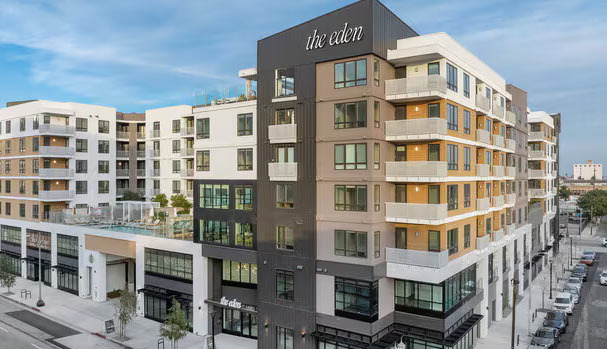
"Should I continue renting in LA, or is it time to buy a house?"
This is a common question among Korean Americans living in the U.S. However, this issue should not be decided on a whim.
When you do the math, the answer becomes surprisingly clear.
As of 2026, the median rent for a 2-bedroom apartment in Los Angeles is $3,361 per month.
In contrast, the median home price is about $950,000. Both home prices and rents are high, but comparing the two can help determine which is a greater burden.
In real estate, a commonly used metric is the 'Price-to-Rent Ratio.' It sounds complicated, but the calculation is simple.
You divide the home price by the annual rent.
Using a $950,000 home as a basis, the annual rent would be about $40,332 ($3,361 × 12 months).
Dividing these gives a figure of about 23.6. Why is this number important?
Typically, a ratio below 15 indicates a favorable market for buying a home,
16-20 is considered similar,
and above 21 suggests renting is more advantageous.
LA's ratio is 23.6.
This means that currently, LA is statistically a market where renting is more favorable than buying a home.
Calculating the actual monthly burden makes it easier to understand.
Let's assume you buy a $950,000 home.
If you prepare a 20% down payment of $190,000 and take out a 30-year fixed-rate mortgage at 6.75%, you won't just be paying principal and interest.
Property taxes, homeowners insurance, and various maintenance costs also come into play.
When you calculate this, the actual monthly burden comes to about $6,100.
In contrast, renting a similar 2-bedroom would cost $3,361 per month.
This results in a difference of about $2,700 each month.
Over a year, that adds up to over $32,000 more in expenses.

Many people overlook one important factor here.
The $190,000 used for the down payment is also money.
If you invest this amount in a product with a long-term average return of about 7%, like an index fund, you could expect an annual investment return of about $13,000.
Of course, investing carries risks, so this doesn't guarantee results.
However, it's important to consider that buying a home means losing the opportunity to invest that money elsewhere.
That doesn't mean you should "never buy a home."
For example, if you plan to live in LA for over 10 years, have a stable job, and don't intend to move frequently for your children's education, buying a home could be a way to build assets in the long run. As time passes, you will pay down the mortgage principal, and if home prices rise, your assets will likely increase as well.
On the other hand, if you might move to another state within 3-5 years or if saving for a down payment is stretching your finances, the situation changes.
In the current LA market, maintaining a rental while investing or saving extra funds may be a more realistic choice.
Comparing with surrounding cities also shows differences.
Riverside and Rancho Cucamonga have similar Price-to-Rent Ratios to LA, but home prices are much lower, resulting in a smaller initial burden.
Sacramento also has a similar ratio, but the median home price is around $550,000, leading to significantly lower down payment and monthly mortgage burdens.
The reason LA is particularly expensive is not just due to a lack of homes. It has a concentration of jobs, a large entertainment industry, a vibrant Koreatown, good school districts, and various living infrastructures, all of which are reflected in the prices. In other words, in LA, you are not just buying a 'home' but also the location and living environment.
For Korean families, it may be beneficial to consider surrounding cities like Glendale, Burbank, and La Crescenta instead of sticking solely to Koreatown. While commute times may increase slightly, the home prices and monthly burdens can be much more realistic.
In conclusion, based on the current numbers for 2026, LA is a market where renting is slightly more advantageous than buying.
However, a home is not just a simple investment; it is also a living space.
You need to consider how long you plan to live there, the education of your children, the stability of your job, and how much initial capital you have prepared to make the most regret-free choice.
Ultimately, a good real estate decision starts not with "everyone is buying a home" but with calculating your own numbers first.
 SolidTrail99
 CommuteHell
 VelvetCore83
 MeadowWave







 |
| 
 Premium Gas Camp |
 CA Real Estate |
 cheesepup |
 breezem |
 Study Abroad Life Know-How Tips |
 coloradoman |
 Victory 1988 |
 Sunny's Travel in America |
  Granola |
  joyfull yang |
  Olivia's Blog |
  Living in America and Writing Essays |
  Piano Teacher Blog |
  bearcup |
  explorer |
  dictionary |
  Mr Bull Jung |
  radiant |
  Georgia 88 |
  Great TOWN NEWS |
  Open Flex Mind |
  Hartford Blog |
  unified |
  Generation X |
  ringwinds |
  American Food Information & Calories |
  Hawaii Maui Kahului |
  calvorn |