
One thing I've learned while living in Cheyenne, Wyoming, is that being located at the entrance to the Great Plains and the Rocky Mountains exposes us to various natural disasters.
I'll talk about it straightforwardly. Knowledge is power. Fear comes from the unknown, and preparation starts with knowledge.
The sky in this city can be dramatically beautiful one day and suddenly terrifying the next. That's why keeping weather app notifications on is a must. We shouldn't ignore the signals from nature. The historical record of natural disasters includes the major flood on August 1, 1985. In just three hours, 6.06 inches of rain fell, with some areas recording up to 7.87 inches.
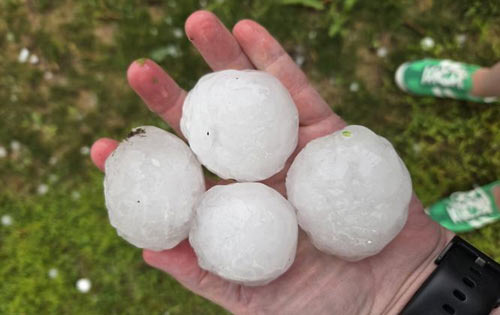
At that time, the hourly rainfall of 3.50 inches set a record for Wyoming. Hail the size of golf balls and baseballs fell simultaneously, creating piles of hail up to 6 feet high. This disaster resulted in 12 deaths and 70 injuries, with damages exceeding $61 million.
It's frightening to think that the entire city was turned upside down in just three hours. This flood is also seen as a turning point for improvements in the city's infrastructure. Learning from history and preparing in advance is the right approach. When you ask long-time residents about that day, they remember it vividly.
Tornadoes are also a concern. In 1979, a tornado caused one death, 40 injuries, and $25 million in damages. The tornado risk in Cheyenne is higher than the Wyoming average. Due to the characteristics of the plains, tornado watches or warnings can be issued from spring to summer, so keeping weather app notifications on is essential.
In July 2016, there was a severe hailstorm with hail the size of golf balls and baseballs. It's best to stay indoors during hailstorms, as repairing a damaged car can be costly. If you have a basement, it provides extra peace of mind. If you're moving in, be sure to check for a basement when looking at houses.
Drought and wildfire smoke are increasingly concerning factors. Among Wyoming's major cities, Cheyenne is classified as having the highest drought risk.
In the summer, if wildfires occur in Colorado or nearby areas, smoke can drift to Cheyenne, leading to days with poor air quality. On days with heavy smoke, it's best to take a break from outdoor exercise. Winter blizzards occur every year, and when strong winds and snow come together, you can find yourself stuck at home for days. Stocking up on emergency food and winter gear is a basic preparation for life in Wyoming. Be sure to check before winter arrives. It's wise to buy a snow shovel in advance.
Creating a natural disaster preparedness kit is not excessive in this area. Just having a flashlight, radio, emergency food, water, and emergency contacts is sufficient. Also, set up alerts for National Weather Service warnings on your weather app.
In winter, it's good to keep sand, a shovel, and blankets in your car. Live freely, but be humble in the face of nature. One reason Cheyenne is beautiful is because of this rugged nature. When you know and prepare, natural disasters become just a part of life. Here, nature can be both a friend and a foe. Knowing makes it less scary, and being prepared makes it safer.
The power of nature that Wyoming shows us instills humility. It can be frightening, but it also inspires awe. The longer you live here, the more you come to respect nature. Living under a strong sky makes the little things precious. Preparing for disasters may seem bothersome, but once you have everything set up, you can use it for years.
 Vitruvius







 Smile Face |
 Helpful Life Stories |
 Casa Mia |
 Study Abroad Life Know-How Tips |
 pravix22 |
 FROM Wyoming |
 MAX009 BLOG |
 logger |
 yenne |
 newyorker 101 |
  coffeee |
  |
|  Christopher |
  sylven |
  Sammy Beach |
  Bliss O |
  blue ocean |
  greenlight |
  Watanaka Karametibaksa |
  castle |
  xelton52 |
  carefree |
  vrixen73 |
  AZ Road Master |
  Victory 1988 |
  summita |
  business lim |
  Colorado Lee |
  Make My Day |