

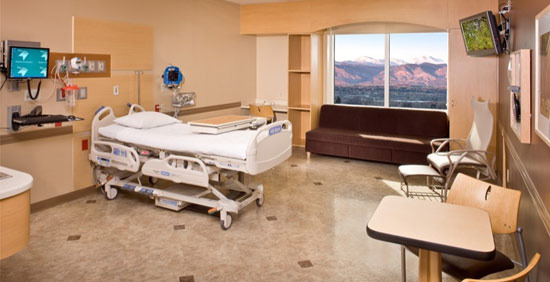
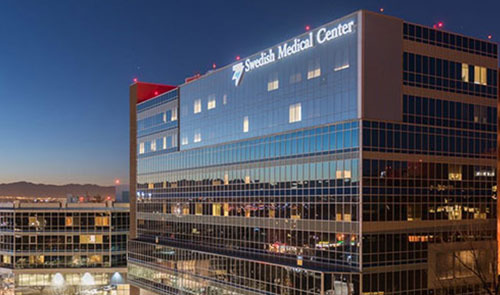
When talking about hospitals in Seattle, the nonprofit hospital that is often mentioned is Swedish Medical Center.
Locals are so familiar with it that they simply say, "I'm going to Swedish."
Among those who have lived in Seattle for a long time, it's rare to find someone who hasn't been there at least once, whether due to illness or visiting someone.
Swedish has a long history, having started in 1910.
It is currently operated under Providence, and one of its biggest advantages is that its campuses are spread throughout Seattle.
There are hospitals in areas like First Hill, Cherry Hill, Ballard, Edmonds, and Issaquah, making it relatively easy to access no matter where you live.
Among them, the First Hill campus, located near downtown Seattle, is the largest.
It has the most specialized care and receives a lot of emergency patients.
So, among Seattle residents, it's common to hear, "If you get seriously ill, you go straight to First Hill."
The U.S. hospital system is not like Korea, where you go directly to a large hospital; many systems require a referral from a primary care doctor.
However, because Swedish is such a large system, once you are in the network, it is relatively easy to connect for tests, specialists, surgeries, and rehabilitation.
In particular, Swedish is quite famous in the field of cardiology. The Swedish Heart and Vascular Institute is well-known even within Washington state.
It also has a strong neurosurgery department, so many patients come for brain surgery or spinal issues.
Surprisingly, one area that many Korean patients seek is obstetrics and gynecology.
Many Koreans giving birth in the Seattle area use Swedish.
It has a well-established high-risk pregnancy management and neonatal intensive care system, so many people consider it when having their first child.
In particular, in the U.S., the choice of hospital significantly impacts childbirth, and there is a culture of discussing where you gave birth.
Another advantage of Swedish is the praise for its warm system.
When you go to a large hospital in the U.S., it can sometimes feel like a factory in how patients are treated.
However, Swedish often receives positive feedback about its patient care.
Of course, there may be differences between doctors and departments, but overall satisfaction is generally rated positively.
However, like any U.S. hospital, cost is always a reality. Without insurance, even one test can be a significant burden.
Many people are shocked when they see the bill after visiting the emergency room.
So, in the U.S., rather than the hospital itself, "how much does my insurance cover?" is really important.
Swedish tends to accept most major insurances, so it is relatively accessible in that regard.
When talking to Koreans moving to Seattle, the topics that come up the most are hospitals, school districts, and safety.
Among them, hospitals often don't feel significant until you actually need them, but when the time comes, their presence becomes very important.
In that sense, it seems that Swedish is one of the first hospitals that comes to mind in Seattle for a reason.
 vibeforestbuilder1984
 OhMyOz







 Karina's Blog |
 Jimbeam 88 |
 Taco Bell Candy Note Blog |
 Splendid Mission |
 Florida Gario |
 Seattle - Emerald City |


 PETRO Vatican Shrine |
 Medical Latest Trends News |
  Ohio Ohayoung Hello |
  parlon |
  Shoot Me |
  Michigan Enthusiast |
  festive |
  You Turn Me On |
  Supplemental Security Income (SSI) Information |
  Sams Market |
  ansdal |
  VVV 80 |
  BIODOCTOR NEWS |
  Gold Bar |
  Tamfa Fan |
  Jenny's Mom blog |
  Best Frozen Yogurt |
  Victory 1988 |
  Coding Elf |
  Infinite Style |
  Mr Cleveland |