

The term 'workforce shortage' commonly appears in articles related to the U.S. healthcare system.
Even now, small and medium hospitals in rural America frequently report a shortage of essential medical personnel such as doctors, nurses, and medical technologists.
Since the pandemic, hospitals have consistently faced staffing shortages, and rural hospitals have struggled even more to find personnel.
To address this issue, the U.S. has long utilized the H1-B visa to accept skilled medical personnel from abroad. However, a recent statement from Trump has significantly shaken this situation. He announced plans to raise the H1-B visa fee to a staggering $100,000.
The H1-B visa is the most representative system through which the U.S. can recruit specialized personnel from abroad. It is commonly known that engineers in the IT field frequently use it, but it has also played a crucial role in the medical field. In particular, medical technologists, pathology lab specialists, radiologic technologists, pharmacists, and doctors in rural hospitals have all contributed significantly to maintaining healthcare services in the U.S. by being hired through the H1-B visa. If this system is blocked or costs skyrocket, the repercussions will not only be a 'reduction in foreign jobs' but will also threaten the 'access to healthcare' for American citizens.
A closer look at the current situation in the U.S. reveals the seriousness of the issue. Urban hospitals can still hire personnel with competitive wages and conditions, but rural hospitals face a different reality. They have already struggled to find American doctors and have been hiring doctors and medical technologists from the Philippines, India, Korea, and South America through the H1-B visa. Without these individuals, hospitals cannot operate. Operating rooms come to a halt, testing rooms remain empty, and emergency room wait times increase. Essentially, these workers are propping up the 'shadows' of the U.S. healthcare system.
However, when Trump suddenly announced, "I will raise the H1-B visa fee to $100,000," the medical community began to stir. This is not just a blow to IT companies or startups. Medical institutions, especially public hospitals and state hospitals, cannot bear such costs. Hospitals are already operating on tight budgets, and if hiring a single foreign doctor incurs a visa cost of $100,000, who can shoulder that burden? In the medical community, there are claims that "this is essentially a policy to block medical immigration."
Trump's intent has always emphasized 'American jobs first.' The logic is that foreign workers take jobs away from American citizens. However, the situation in the medical field is different. There is already a shortage of supply compared to demand within the U.S. Young Americans are reluctant to pursue careers in medicine or technical fields, and many are leaving the healthcare sector due to long hours and low pay. Blocking H1-B personnel in this structure ultimately harms the citizens.
Take the case of Medical Technologists, who are responsible for basic data in hospitals, including blood tests, pathology tests, and virus analyses. The world learned how crucial their role was during the pandemic. However, the number of graduates choosing this profession in the U.S. is rapidly declining. Therefore, they have been supplementing skilled technologists from abroad through the H1-B visa, but if that path is blocked, wait times for tests will increase, and diagnoses will likely be delayed.
A bigger problem is that the rise in visa costs leads to an increase in healthcare costs. Hospitals must spend more to recruit personnel, which inevitably raises the medical costs passed on to patients. The U.S. already has some of the highest healthcare costs in the world. If administrative barriers also increase, access to healthcare will further decline.
Ultimately, this issue is about 'the health of American citizens.' With a shortage of doctors and technologists, the quality of healthcare services in the U.S. will inevitably decline. The H1-B visa is not just a means of employment; it has been a lifeline for the U.S. healthcare system.
Trump's decision is straightforward and bold, as is typical of his style, but it appears to be a political gesture that ignores reality. Of course, he will continue to promote American centrism to rally his supporters, but the repercussions will manifest in unexpected places - namely, hospitals, emergency rooms, and laboratories. The U.S. is currently lacking doctors, technologists, and nurses. The remaining question is this: Who will protect the U.S. healthcare system?
The government, which has identified the problem, is reportedly discussing improvement plans, and I hope they are resolved well.




 Tora Tora |
 neroyo |
 nivex85 |
 Old English |
 nixxon |
 Weekend Movie Blog |
 Beauty, Health, Lifestyle Blog |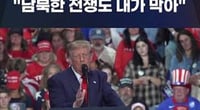
 coloradoman |
 Superman Cat Blog |
 Sunny's Travel in America |
  road98 |
  Churros Train Conductor |
  gleeful |
  Burbank Lee |
  Olivia's Blog |
  Bushing Around Life |
  Active |
  Cherokee Rose |
  Kor. Master |
  Holey Moley |
  Conflite Teacher |
  Hodong Prince Over Flex |
  Mist inn |
  citrus pop |
  Onion Ring |
  phoenixia |
  viewtop |
  loverun |
  Kim Do Sun |
  SEVEN SEVEN |