
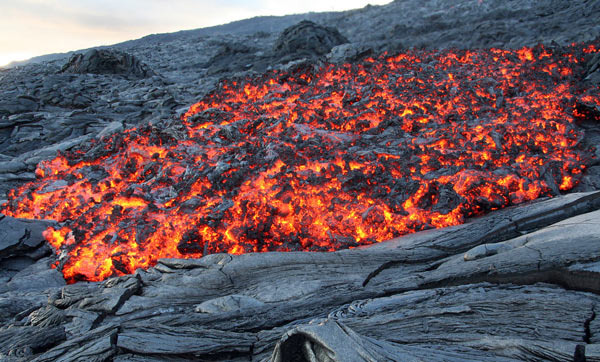
Hawaiʻi Volcanoes National Park, located about 40-45 minutes by car from Hilo on the Big Island, is a special place where you can walk in the midst of a living Earth. The main attractions of the park are the active volcano Kīlauea and the massive shield volcano Mauna Loa, both of which are important sites for scientists to observe volcanic activity directly.
When we often see news about Hawaiian volcanoes, we see images of lava flowing into the sea, and that is here. As you drive into the entrance, you can check the current eruption status, road and trail closure information at the visitor center, and while driving along Crater Rim Drive, you will encounter steam vents, sulfur gas-emitting terrains, and solidified black land where lava has flowed, all visible through your car window.
If you want a more adventurous exploration, walking the approximately 6km long 'Kīlauea Iki Trail' is also recommended. This special trail allows you to walk on the cooled crater floor, and as you walk, you can truly feel the sensation of 'I am walking on a living Earth.'
Driving a little further down, you will come to a road called 'Chain of Craters Road,' which follows the black plains created by flowing lava down to the Pacific coast, making the drive itself a journey. Natural formations like the 'Hōlei Sea Arch' built on the coastal cliffs are also points of interest.
While renting a car or using a tour is the most common way to visit from Hilo without public transportation, some say it is possible to visit using the Hele-On Bus's red line (Route 11). However, there are not many bus services, and having a vehicle is much more advantageous for freely exploring trails and major landmarks.
There are also precautions to take when visiting. Since it is an active volcano, trail closures and road blockages can occur frequently. Additionally, the terrain varies from low coastal areas to high altitudes, leading to significant temperature and weather changes, and the basalt terrain can be slippery or have many cracks, so it is important to stay on designated paths for safety.
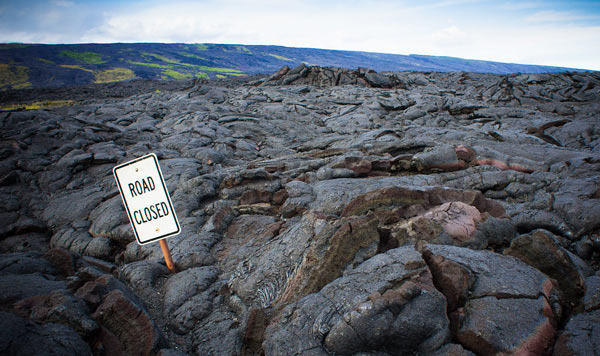
Crater Rim Drive, which runs along the edge of the crater, is a representative tourist route, with several viewpoints installed along the way, allowing you to stop the car and see the lava terrain and steam-emitting cracks up close.
The Kīlauea Iki Trail is a hiking course about 6km long, and it is a special path where you can actually walk on the cooled crater floor. The landscape of black basalt and white steam rising gives the feeling of being on another planet.
Among the lava tubes that remain, the Thurston Lava Tube is particularly popular. This natural tunnel was formed by flowing lava, and while it is dark and humid inside, lights are installed for safe walking.
Walking inside, you can imagine what volcanic activity looked like thousands of years ago. Also, on the way back towards Hilo, there is a spot called Steam Vents, where hot steam rising from deep underground warms the ground. You can feel the warm heat if you bring your hand close.
On clear days, you can see the Pacific Ocean in the distance, and the outline of the volcano becomes clear between the sky and clouds, creating a mystical atmosphere. By touring the volcanoes in Hilo, you not only appreciate the greatness of nature but also begin to understand why Hawaiians have regarded volcanoes as 'the realm of the gods.' The volcanoes here are not just natural phenomena but symbols of life, faith, and regeneration that have continued since the beginning of time in Hawaii. After finishing your tour here, the experience of Hawaiian volcano tourism will truly remain a special memory that is hard to forget for a lifetime.








 Hakuna Matata |
 Hilo Cat |


 laro90 |
  MEDBIO American Doctor Blog |
  SWAT TEAM BLK |
  DREAM BIG |
  frostbite |
  330 Forever My Love |
  El Dorado |
  dralix58 |
  Gorama Round |
  Skydiving |
  dreamport |
  Yellow Snowman |
  Toaster Pizza Magic Show |
  velvetnom |
  Anytime Journey |
  Mrs. Duluth |
  jaxter |
  Atlanta Mama |
  Baguette Blog |
  Tan Sol |