

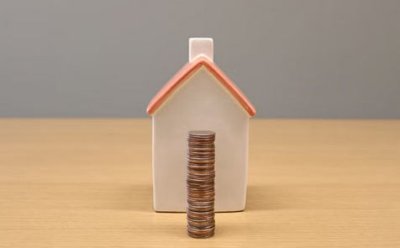
Having observed the Texas real estate market for over 30 years, the recent changes in Fort Worth are quite remarkable. Once considered a quiet neighbor to Dallas, this city has now grown to over 1 million residents and even publishes its own economic reports.
Fort Worth recently surpassed a population of 1 million, making it the twelfth most populous city in the U.S., and it has gained attention for outpacing Austin in this regard. Since 2020, the population has increased by about 5.9%, which is interpreted as a result of strong net migration.
The most notable aspect of the industrial structure is manufacturing. The number of manufacturing workers in the Fort Worth area has exceeded 300,000, accounting for nearly one-third of Texas's total manufacturing employment. The solid foundation in aerospace and defense industries, along with relatively low industrial land prices, seems to favor attracting businesses. The share of manufacturing employment is 9%, significantly higher than Dallas (6.5%) or the Texas average (6.8%). Recently, Siemens invested $190 million to open a new technology manufacturing plant, creating 800 jobs.
Employment and wage indicators are also strong. As of May, the unemployment rate is 4%, and payroll employment in the Fort Worth-Arlington area increased by an annualized 1.6% in May, expanding to an annualized 3.4% over the last three months, surpassing Texas's overall growth rate of 2.3%. The average hourly wage as of May is $37.23, up 3.4% from $35.99 a year ago, showing a slightly faster pace than Texas's average wage growth rate of 3%.
In terms of infrastructure, there are ongoing expansions of industrial parks and investments in logistics infrastructure, with new development projects consistently announced that leverage accessibility to Dallas-Fort Worth International Airport. However, it remains to be seen how much these investments will translate into actual population influx and housing demand.
From the perspective of a long-time market observer, the recent growth in Fort Worth appears to be built on structural strengths in manufacturing and logistics rather than a temporary trend. However, it is important to remember that growth rates in any city cannot be maintained indefinitely, and manufacturing employment can be relatively sensitive to national economic cycles.
For Korean households, Fort Worth is viewed as a region that offers relatively reasonable housing prices compared to downtown Dallas, along with a stable job base. Given its characteristics as a manufacturing and logistics-centered economy, it seems more suited for a long-term investment perspective that anticipates steady asset growth rather than rapid price surges.
 RubyHero
 SunrayVibe





 garlic bread |
 Sugar Cream Door Bulletproof Noodles |
 urbanmint |
 |
| 
 Premium Gas Camp |
 horse |
 jaxter |
 kevin Kim |
 MBTI Detective Agency |
 Whoever It Is, I Don't Know |
  draxen |
  gallery |
  milkyotter |
  Zoom Zoom Zoom |
  Minnesota Lakes and Clouds |
  noraro |
  tervox95 |
  vale vale |
  yentra |
  Golden life |
  andrew park |
  Peter Pan Pet |
  Balan |
  Cali M Law Group |
  neroyo |
  Dreams Come True as Desired |
  Khan Film Blog Production |
  coloradoman |
  Living Economy Information Blog |
  rustley |