

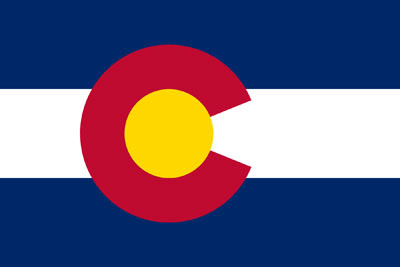
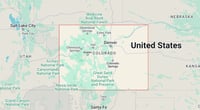
When looking at a map, Colorado is often associated with its beautiful natural scenery, characterized by its many mountains.
However, this state has undergone significant political image changes over the years.
Originally, it was classified as a fairly conservative state, but over time, it has become one of the areas that shifted towards a more progressive stance.
Looking back, Colorado's economy was primarily centered around mining and agriculture.
In the late 19th and early 20th centuries, it was famous for its gold and silver mines, and agriculture thrived on its vast plains. Due to this industrial structure, there was a strong preference for conservative policies like small government and low taxes. Thus, it was politically a state with a clear support for the Republican Party.
In fact, until the mid-20th century, Colorado was often regarded as a conservative state. It looked quite different from the "blue state" atmosphere we see today. However, as time passed, the situation began to change gradually.
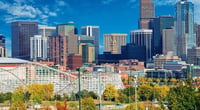
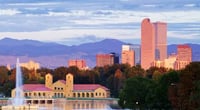
The center of this change is the cities. Particularly, urban areas centered around Denver have grown rapidly. Cities like Denver, Boulder, and Fort Collins have expanded, leading to changes in the demographic structure. With many universities and an influx of young people, the political atmosphere has also shifted gradually. Additionally, the growth of the high-tech and service industries has attracted more people moving from other states.
This change became particularly noticeable in the 2000s. While it once had the image of a strong Republican state, election results show a shift in the atmosphere. Since 2008, Democratic candidates have consistently won in presidential elections. Therefore, Colorado is now typically classified as a "blue state."
Currently, the political situation in Colorado shows a strong influence from the Democratic Party. The governor, Jared Polis, is a Democrat and is known as one of the first openly gay governors in the U.S. The state legislature is also dominated by Democrats, and both U.S. senators are Democrats as well.
However, this does not mean that all of Colorado shares the same political stance. Like most states in the U.S., there is a clear divide between urban and rural areas. Urban areas like Denver and Boulder tend to be relatively supportive of progressive policies. There are active voices on environmental policies and social issues.
On the other hand, rural communities in the eastern plains and some mountainous areas still maintain a strong conservative inclination. Issues like gun control and tax policies continue to show a clear support for the Republican Party. Thus, when looking at Colorado's political map, it is common to see urban and rural areas displaying different colors.
Several issues frequently discussed in Colorado politics include environmental policies. Colorado is one of the states where the renewable energy industry is growing rapidly. Wind and solar industries are active, and the state is proactive in climate change response policies.
Another well-known policy is the legalization of marijuana. Colorado was one of the first states to legalize recreational marijuana in 2012. Today, this industry plays a significant role in tourism and tax revenue.
Gun control remains a consistently debated topic. While some regulations have been introduced, various opinions continue to clash on this issue. Immigration policy is also a significant area of interest. With diverse immigrant communities in Colorado, there is relatively strong support for immigrant rights.
In summary, the reasons for Colorado's political changes can be categorized into several factors. The growth of cities, an increase in the population with higher education levels, and changes in the economic structure have all contributed. The shift from a mining and agriculture-based economy to one focused on technology, tourism, and renewable energy has altered political interests as well.
Looking ahead, many believe that Colorado is likely to continue leaning Democratic for the foreseeable future. However, the conservative base in rural areas remains strong, making it difficult to view the state as entirely one-sided. It is likely that the political differences between urban and rural areas will persist.
Thus, Colorado is often mentioned as a fascinating state in American politics. It has transitioned from a state with strong conservative tendencies to one that is moving in a different direction due to demographic and industrial changes. Because of these shifts, Colorado has become an important state in understanding the current political landscape in the U.S.


 Korean Mom |
 novapixel |
 Peter Pan Pet |
 horse |
 Sunset Oregon |
 Your Curiosity Resolved |
 LIZ Legal Information Blog |
 coloradoman |
  Jean Claude Bundang Blog |
  DREAM BIG |
  frostbite |
  330 Forever My Love |
  El Dorado |
  dralix58 |
  Gorama Round |
  Skydiving |
  dreamport |
  Yellow Snowman |
  Toaster Pizza Magic Show |
  velvetnom |
  Anytime Journey |
  Mrs. Duluth |
  jaxter |
  Atlanta Mama |
  Baguette Blog |
  Tan Sol |
  US Embassy |
  My NYC |