

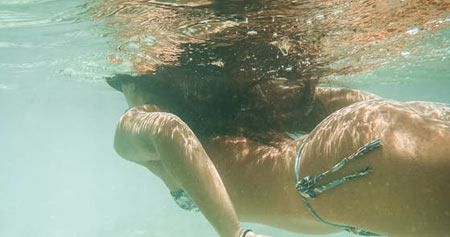
Hawaii's beautiful marine ecosystem and clear waters provide optimal conditions for snorkeling, and this activity has played an important role throughout Hawaii's historical background. Let's take a look at the history and development of snorkeling in Hawaii.
Ancient Hawaii and Marine Activities
- The native Hawaiians have lived closely with the sea for centuries. The ancient natives of Hawaii sustained their livelihoods through fishing and developed techniques for catching fish underwater.
- In particular, Hawaii's traditional fishing technique called "Honu Lua" is similar to snorkeling, where people would hunt fish while breathing underwater. At that time, it involved simple tools and methods for breathing underwater, but activities in the sea were conducted in a manner similar to modern snorkeling.
Modernization of Snorkeling
- Early 20th century: After Hawaii became a U.S. territory, the tourism industry began to grow rapidly, and activities related to the sea also increased. In the 1920s and 1930s, the number of people enjoying diving and snorkeling in Hawaii gradually increased.
- 1950s: Snorkeling and scuba diving became more popular in Hawaii, and the number of tourists wanting to observe Hawaii's beautiful marine life surged. From this period, snorkeling became a popular activity for travelers visiting Hawaii. At that time, simple rubber tubes and small masks and fins were primarily used.
Advancements in Snorkeling Equipment
- 1960s: As snorkeling equipment advanced, snorkeling in Hawaii became a more convenient and safer activity. High-quality snorkel masks, breathing tubes, fins, and various other equipment became commercialized, and more people began to explore the sea using this equipment.
- Additionally, the safety of snorkeling was enhanced, and local shops and travel agencies began offering snorkeling tours, creating travel destinations such as Hawaii's marine protected areas and coral reef reserves.
Major Snorkeling Spots in Hawaii
Hawaii is home to many world-famous snorkeling spots. In particular, Hawaii's clear waters and rich marine life provide an ideal environment for snorkeling.
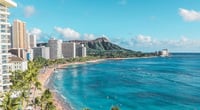
- Waikiki Beach (Oahu): A suitable place for beginners, where various marine life can be easily observed in the clear, calm waters.
- Napali Coast (Kauai): This area is rich in coral reefs and various fish, making it a popular destination for many snorkeling enthusiasts.
- Molokini Crater in Maui: This area is the caldera of a volcanic island called Molokini, filled with pristine waters and diverse marine life, making it famous for snorkeling.
- Kahalu'u Beach on the Big Island: A place where coral reefs and various tropical fish reside, ideal for enjoying snorkeling.
Hawaii's Marine Conservation Efforts and Snorkeling
- In Hawaii, efforts are being made to protect the marine ecosystem by designating marine protected areas and coral reef reserves to enhance the enjoyment of snorkeling and diving activities.
- According to Hawaii's laws, certain areas prohibit activities that damage coral reefs or illegal fish collection, and guidelines must be followed to enjoy snorkeling and diving.
Snorkeling in Hawaii is more than just a tourist activity; it is deeply connected to Hawaii's ancient culture and has gradually become popular and developed over time. Today, Hawaii is considered a dream destination for snorkeling enthusiasts, providing an optimal environment for snorkeling thanks to its rich marine ecosystem and clean waters.

 candytip |
 Gold Bar |
 Pirate Ship Popcorn Maker |
 Montgomery Mom |
 Anjollinya Blog |
 Mau Nui |
 Hani 1977 |
 Hawaii Tourist Information |
 Mrs. Duluth |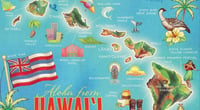
 Hawaii Maui Kahului |
  Tonky |
  viroma |
  cookie |
  Live and that's it |
  Alright Twain |
  eatontown blog |
  HAWAII Korean Church News |
  Amore |
  linex |
  Balancework |
  laro90 |
  MEDBIO American Doctor Blog |
  SWAT TEAM BLK |
  DREAM BIG |
  frostbite |
  330 Forever My Love |
  El Dorado |
  dralix58 |
  Gorama Round |
  Skydiving |