

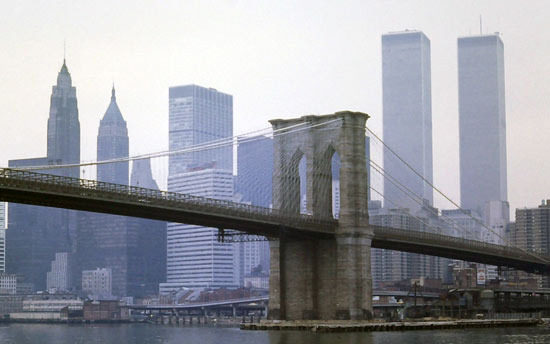
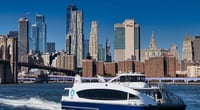
When thinking of New York in the 90s, the first image that comes to mind for many Koreans is the World Trade Center Twin Towers.
Coming up from the subway early in the morning, the twin towers sparkled like glass, standing tall over Lower Manhattan, symbolizing the power and speed of this city.
The lives of Koreans living in New York at that time were far from the glamorous buildings, yet strangely, their days revolved under their shadow.
Many started in delis, opening their shops at 5 AM, brewing coffee, laying out newspapers, and starting their day, while hands busy handing out change to the suited individuals heading to the World Trade Center.
Even if their English was poor, calculations had to be accurate, and during the busy morning hours, there was no time to catch a breath. After lunch, things would slow down a bit, but there was hardly any time to sit and rest; they spent their days organizing shelves or calculating orders for the next items.
Many Koreans were involved in the clothing industry, and those who ran around Midtown Manhattan and the Garment District with samples still vividly remember those days.
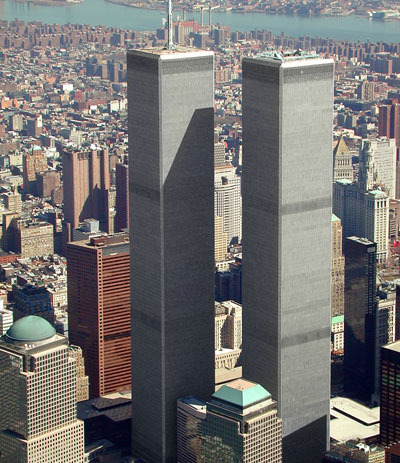
Small clothing stores and fashion accessory shops relied on turnover, laughing and crying over daily sales, and on days when sales were good during peak seasons, they would look up at the lights of the World Trade Center on their way home on the subway, reassuring themselves that today was okay.
New York at that time was much rougher than it is now, and stories of robbery and theft were common, so they couldn't relax until the moment they closed their shop. Yet, they endured with the belief that this city held opportunities.
The Korean community was small but connected through churches and a few restaurants, and rumors about who was selling which deli or moving to another business circulated like information. The World Trade Center wasn't directly related to their jobs, but it served as a reference point for direction.
When making plans, saying it was near the twin towers was enough for everyone to understand, and when they saw the building while wandering, a sense of relief washed over them, knowing they were close. Thus, in the 90s, Koreans endured their daily lives against the backdrop of New York's iconic scenery, setting realistic goals focused on next month's rent and children's tuition rather than grand dreams.
Personally, I feel that the meaning of that scenery became clear only after a long time, realizing it after the World Trade Center Twin Towers disappeared.
The New York of the 90s, where those buildings stood, was not just a place on a tourist postcard but the stage where first-generation Korean immigrants endured their daily lives.
The people who raised the deli shutters every morning and stood behind the cash registers, those who organized displays in clothing stores and general stores, worried about their daily sales; for them, the twin towers were not so much a symbol of great success but rather a coordinate that indicated they were still living in this city today.


 eatontown blog |
 Toaster Pizza Magic Show |
 US Embassy |
 fortbliss |
 Folding Instructions |
 newyorker 101 |
 Things to Do to Buy a House |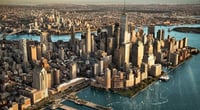
 U.S. Weather Bureau News |
 International Court |
 NYC saladbar |
  Tonky |
  viroma |
  cookie |
  Live and that's it |
  Alright Twain |
  HAWAII Korean Church News |
  Amore |
  linex |
  Balancework |
  laro90 |
  MEDBIO American Doctor Blog |
  SWAT TEAM BLK |
  DREAM BIG |
  frostbite |
  330 Forever My Love |
  El Dorado |
  dralix58 |
  Gorama Round |
  Skydiving |