

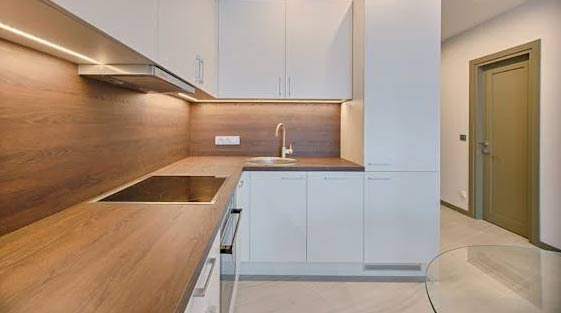
As single-person households increase in the U.S., I want to talk about the trend of shrinking apartment sizes.
In recent years, the lifestyle of "living alone" has emerged in the U.S., leading to significant changes in housing types.
Increase in Single-Person Households and Lifestyle Changes
There are various reasons for the increase in single-person households in the U.S. Factors such as delayed entry into the workforce, postponing marriage, a desire for independence, and frequent relocations for jobs are all contributing. Particularly, millennials and Gen Z are enjoying independent living at higher rates as they delay marriage and child planning compared to the past.
As more people live alone, perceptions of housing have changed. In the past, larger family homes were preferred, but now the lifestyle has shifted to valuing practicality and good location over size.
In major U.S. cities, so-called "micro apartments" are on the rise. These are very small, studio-style apartments that are under 400 square feet, featuring built-in furniture or efficiently designed storage to minimize inconvenience.
While the internal space of apartments has decreased, shared amenities within buildings such as lounges, rooftops, fitness centers, and co-working spaces have become more abundant. The idea is to use the bedroom solely for sleeping and resting, while work or leisure activities can be done in community spaces.
-
Convenient shared kitchens or studio spaces are provided, allowing residents to enjoy cooking or hobbies together.
-
This approach reduces internal space while attempting to maintain or even enhance the quality of lifestyle.
As housing prices and rents in major cities continue to rise, economically burdened single-person households naturally turn to smaller apartments. Smaller apartments tend to have relatively lower rents and utility costs (electricity, water, heating, etc.), making them suitable for living alone.
Reasons for Preferring Such Apartments
Even a small space can be appealing if it is conveniently located near work or school, saving commuting time. Additionally, being in the heart of the city with access to cafes, restaurants, and fitness facilities adds to the "lifestyle" appeal.
Recently, more people are minimizing unnecessary belongings and pursuing a minimalist lifestyle. Instead of spending costs and energy to manage and fill a large house, they focus on living simply with fewer items and concentrating on experiences and activities. Tips for efficiently designing small spaces and maximizing storage can easily be found online, making it less inconvenient to live alone.
With shared lounges or event spaces in apartments, it becomes easier to connect with neighbors who have similar interests. As the number of people living alone increases, the issue of "how to alleviate loneliness" becomes important, and these community facilities provide the advantage of naturally interacting and connecting with others.
As the population living alone in the U.S. increases, small apartments have become a trend. This is the result of various factors, including changes in the values of younger generations, the convenience of urban living, and the spread of minimalist lifestyles. It is also interesting to see how people are designing small spaces efficiently or creating new lifestyles through shared communities.
Of course, challenges such as rent and housing price issues, and housing stability remain, but the trend of "small housing" seems likely to continue for the time being. If you are considering independent living in the U.S., it might be a good idea to carefully consider your lifestyle patterns, local environment, and budget before looking at small apartments.







 moo moo |
 ultron78 |
 garlic bread |
 Sugar Cream Door Bulletproof Noodles |
 urbanmint |
  Another Eden Channel BLOG |
 vale vale |
 Exciting FM Radio |
 Belgray Miscellany |
 mistic |
  Anytime Journey |
  Mrs. Duluth |
  jaxter |
  Atlanta Mama |
  Baguette Blog |
  US Embassy |
  Korean Mom |
  My NYC |
  Mr Oh |
  forevergee |
  festival |
  manchester |
  constant |
  Leapfrog Move |
  vibranto |
  Tora Tora |
  yellowbutter |
  Dolly |
  NYC saladbar |