
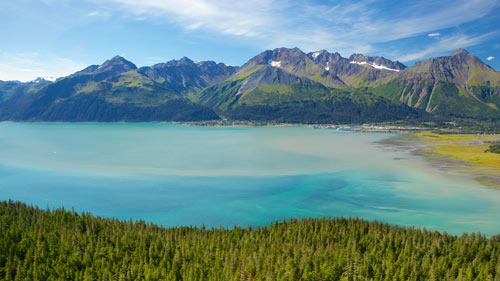
Buying investment land in Alaska is possible. However, there are several important factors to consider.
Alaska has vast natural environments and various types of land, and the methods of purchasing land may differ from other states.
Below are key pieces of information to know when buying land in Alaska:
1. Buying Land in Alaska:
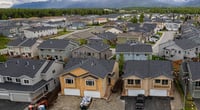
- Private Land: There is a lot of land in Alaska that can be owned by individuals or companies. Various types of land exist, including residential, commercial, agricultural, and areas designated for environmental protection. This land can generally be purchased through real estate agents.
- Government Land: A significant portion of land in Alaska is owned by the state or federal government. Some land may be available for purchase, but some may be designated as nature reserves, used for military purposes, or restricted for other reasons. Purchasing government-owned land may require specific regulations or approval processes.
2. Land Purchase Procedures
- Method of Purchase: The method of purchasing land in Alaska typically follows standard real estate transaction processes through real estate agents. If the land is privately owned, a contract is drafted, payment is made, and ownership is transferred.
- Types of Land: Different regulations and conditions may apply depending on whether the land being purchased is agricultural, residential, commercial, or forested. For example, agricultural land must be used for specific purposes, and forested areas may be restricted under forest conservation laws.
3. Government Programs
- Alaska Land Purchase Program: The state of Alaska previously operated the "Alaska Land Purchase Program," which provided opportunities for people to buy government-owned land. However, this program has now ended, and most purchases of government land require special procedures.
- Alaska Agricultural Land Sales: There are also programs in Alaska that allow for the purchase of agricultural land, providing opportunities for individuals who meet certain conditions.
4. Considerations When Buying Land
- Restrictions: Many areas in Alaska are designated as nature reserves, wildlife refuges, or military bases, which may impose restrictions on purchasing or developing land in those areas.
- Terrain and Environment: Alaska has extreme weather and climate, and the land you wish to purchase may be in hard-to-access areas. For example, roads may be blocked in winter, or certain areas may pose challenges for housing construction or agricultural development.
- Conservation Laws and Regulations: Alaska has legal regulations to protect the natural environment, and some land may be prohibited or restricted for development. Therefore, it is important to check the regulations or legal restrictions of the area before purchasing.
5. Costs of Buying Land
- Price: The price of land in Alaska varies greatly depending on location and land type. Land near major cities tends to be more expensive, while rural areas or land away from roads can be purchased at relatively lower prices.
- Taxes and Maintenance Costs: Owning land may require annual property taxes, which can vary based on the size and location of the land. Additionally, land in remote areas may have management costs or accessibility challenges.
Conclusion
Buying land in Alaska is possible. However, government-owned land can only be purchased under specific conditions, and land near nature reserves or military bases may be difficult to acquire. Therefore, if you wish to purchase land, it is important to obtain accurate information through a real estate agent and thoroughly review the regulations and legal conditions of the area before making a decision.



 AL ALASKA |
 Information on Area Codes in the Americas |
 Sunny's Travel in America |
 Tonky |
  viroma |
  cookie |
  Live and that's it |
  Alright Twain |
  eatontown blog |
  HAWAII Korean Church News |
  Amore |
  linex |
  Balancework |
  laro90 |
  MEDBIO American Doctor Blog |
  SWAT TEAM BLK |
  DREAM BIG |
  frostbite |
  330 Forever My Love |
  El Dorado |
  dralix58 |
  Gorama Round |
  Skydiving |