

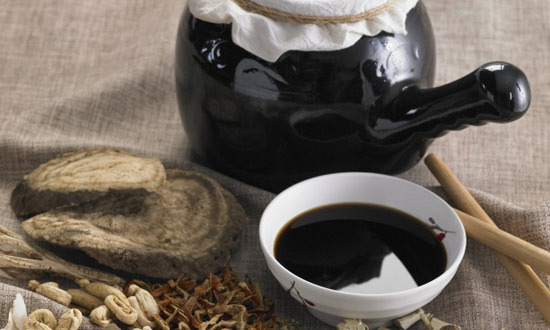
After retiring in Queens, New York, I sometimes reminisce about my days in Korea. One thing that often comes to mind is the herbal medicine that the elders used to take. In the past, it was common in Korea to brew herbal decoctions as one aged. It was a routine to visit the local herbal medicine shop, get a month's supply of herbal packs wrapped in paper, and heat them up to drink in the morning and evening.
The smell that wafted when boiling the medicine is unforgettable. The clattering sound of the herbal pot and the bitter aroma that spread throughout the house were both pleasant and somewhat overwhelming for children. Even with the windows open, the scent lingered, permeating the closet, blankets, and curtains, following us all day long.
When that smell filled the air, adults would say it was a good smell for the body, but for kids, it was not much different from the smell of a hospital. It sometimes felt like the scent of a herbal tonic. As time passed, that smell seems to have remained more as a memory than for its medicinal properties. It was a time when I diligently prepared herbal remedies with the intention of taking care of my health... a kind of air from a time that is now hard to encounter again.
Back then, among the elders, the common topics were which house had effective medicine and who regained their strength from which herbal remedy. Red ginseng was treated almost like a cure-all and was a staple gift during holidays. However, living in America, that scene has naturally faded away.
Now, in the America where I live, there is no need to brew herbal decoctions, and the culture that values them simply does not exist.
Instead, the hospitals always say the same thing. They emphasize that diet, exercise, and sleep come first, rather than medicine.
At first, that statement felt too dry. I wondered if such simple things could maintain health. But looking back now that I am over 70, I realize it was indeed true. My current health management is very modest. In the morning, I take a slow walk around the neighborhood park, and if the weather is nice, I extend my walk towards the Queens Botanical Garden.
I don't push myself to run; I walk just enough to feel slightly out of breath. There are no special herbal remedies in my diet. I reduce greasy foods and focus on vegetables and fish, trying to eat less salty food. No one asks me what herbal medicine I take like they did in Korea, and I no longer seek such things.
The same goes for red ginseng. There was a time when the red ginseng display in Korean markets in America was quite large, but these days it's not as prominent. Instead, supplements like vitamin D and omega-3 have taken its place. This is more about filling deficiencies than being a herbal remedy.
Above all, what has changed is my mindset. In the past, I believed that when my energy was low, I needed to eat something to replenish it, but now I understand that using less, resting well, and moving consistently is the real herbal remedy.
It seems that it's not that American life has changed the herbal medicine culture, but rather that aging has changed the answers my body provides.
Now, I am trying to live by taking care of my mind, letting go of excessive desires, and embracing sunlight and walks instead of herbal decoctions.


 neroyo |
 nivex85 |
 Old English |
 nixxon |
 LIZ Legal Information Blog |
 Tomato Health Club blog |
 Open Flex Mind |
 Bushing Around Life |
 manchester |
  constant |
  Leapfrog Move |
  vibranto |
  Tora Tora |
  yellowbutter |
  Dolly |
  US Embassy |
  NYC saladbar |
  Finding Superfoods |
  lightyear |
  song bang |
  vexomo |
  Indiana Jones |
  meloncat |
  novapixel |
  mortrix |
  Esther 1983 |
  fortbliss |
  Moscow Kim |