

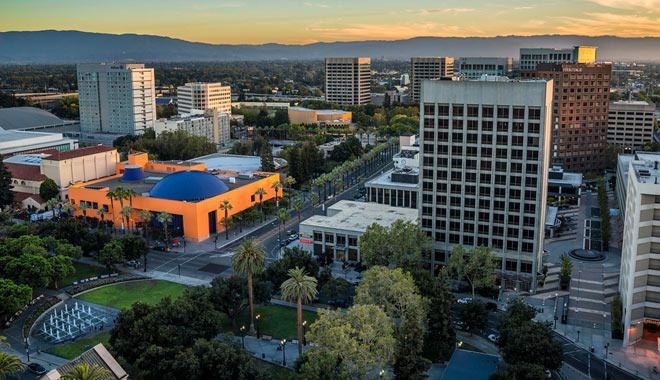
As of 2026, the San Jose downtown commercial real estate market is literally at a major turning point.
Once a symbol of the Silicon Valley tech boom, this area is now finding a new identity amid the normalization of remote work, uncertainties in large development projects, and urban renewal trends. The market has become one where the old rule of guaranteed increases no longer applies, and it is a time that becomes more challenging the more one studies it.
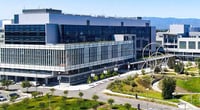
The biggest factor in this market remains Google's Downtown West project. This massive development plan, spanning about 80 acres, has gone through years of halts and restarts, affecting the surrounding real estate market. As of 2026, Google has shifted its direction to reduce the scale somewhat from the initial plans or to develop in phases. This uncertainty is making it difficult for investors to easily enter or completely give up.
The landscape of the office market is completely different from before. With hybrid work established post-pandemic, the vacancy rates of older office buildings remain high. In contrast, Class A buildings with the latest facilities and green certifications still have demand. As tech companies prioritize work environments to attract employees, good buildings continue to be chosen while the rest quickly fall behind. This has led to a widening gap in rental prices, and poorly managed older buildings are under strong pressure for price declines.
The biggest experiment to solve this issue is the conversion of office buildings to residential use. The San Jose city government is actively pursuing projects to convert commercial buildings into apartments and condos to address both high office vacancy rates and housing shortages. They are encouraging developer participation through tax incentives and streamlined permitting policies, which is a strategy to transform downtown from a simple business district into a 24-hour vibrant residential city. In fact, some buildings are quickly transforming into living spaces, and this trend is likely to strengthen in the future.
The retail market is also experiencing clear polarization. Small restaurants and shops that once relied on lunchtime demand from office workers have been hit hard, while mixed-use spaces like San Pedro Square, which combine food, culture, and entertainment, are thriving. Now, people are not just coming to buy things; they are opening their wallets for spaces where they can spend time and enjoy experiences. The nature of commercial spaces is fundamentally changing.
In the long term, the biggest variable supporting downtown value is the BART extension project. This line, which directly connects San Jose to the East Bay and San Francisco, is a key infrastructure that will significantly increase foot traffic in the future. The competition for commercial land purchases around transit stations remains fierce for this reason. This is why the market is not completely collapsing even amid the current downturn.
However, there are certainly unresolved issues. Security concerns and homeless camps continue to weigh on commercial real estate values. Property owners are facing increased operational burdens due to rising security costs, which also affects their ability to attract new tenants. The speed of downtown recovery will greatly depend on how much these issues are resolved.
In summary, as of 2026, San Jose downtown commercial real estate is in a phase of finding a new path amid a painful adjustment period. The return of big tech offices has not reverted to previous levels, but the gradual advancement of the Google project, the conversion of offices to residential use, and the BART extension are supporting the market's bottom.
From an investor's perspective, San Jose downtown is no longer just a gathering place for tech companies but is in the process of becoming a complete city where residential, cultural, and commercial coexist. And it seems that finding undervalued properties during this transitional period is becoming the most important investment strategy in this area.



 ultron78 |
 garlic bread |
 Sugar Cream Door Bulletproof Noodles |
 urbanmint |
 |
| 
 Shining Our Own World |
 California Kangaroo |
 Reggae Party |
  Korean Mom |
  My NYC |
  moo moo |
  Mr Oh |
  forevergee |
  festival |
  manchester |
  constant |
  Leapfrog Move |
  vibranto |
  Tora Tora |
  yellowbutter |
  Dolly |
  US Embassy |
  NYC saladbar |
  Finding Superfoods |
  lightyear |
  song bang |
  vexomo |
  Indiana Jones |