

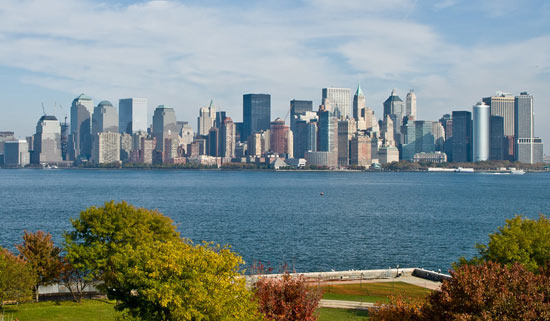
New York has been a land of opportunity for immigrants from around the world for hundreds of years and the starting point of the American Dream.
From the moment people stepped off the ships that crossed the Atlantic and passed through Ellis Island, they have viewed this city as a gateway to a life-changing experience. However, today's New York is not the same as it once was. It is no longer the first choice for immigrants, and there are clear structural reasons for this change.
The biggest issue is housing and living costs. In the past, immigrants could start from small rooms despite cramped and uncomfortable living conditions due to affordable rents. But the situation in today's New York is completely different. Not only Manhattan, but even Queens and Brooklyn, which were once starting points for immigrants, have seen rents skyrocket due to gentrification.
In a structure where more than half of income must go to housing costs, it is nearly impossible to save assets and plan for the future. With grocery, transportation, and utility costs far exceeding the national average, simply surviving in the initial settlement phase is becoming increasingly difficult.
The job market has also changed significantly from the past. Old New York was filled with jobs in factories, construction, and services that low-skilled immigrants could easily enter. However, with the rise of automation, the gig economy, and platform labor, stable low-skilled jobs have decreased, and competition for low wages among immigrants has intensified.
Additionally, the rapid rise of the Sun Belt region has become a decisive factor. Areas like Texas, Florida, and Georgia have much lower housing costs, less tax burden, and faster economic growth, leading to abundant job opportunities. As information spreads quickly, immigrants are no longer looking solely at New York. Especially Hispanic and Asian immigrants are increasingly settling directly in the South or West, following already established large communities without passing through New York.
New York's capacity to accommodate immigrants has also reached its limits. The influx of tens of thousands of new immigrants has led to hotels being used as temporary shelters, placing a significant burden on the city's finances and increasing conflicts with existing residents. The once-proud image of being a sanctuary city is gradually losing its luster amid practical cost issues and safety concerns.
The issue of quality of life cannot be ignored. After the pandemic, subway crime and public safety concerns have greatly shaken the trust in New York as a settlement, and overcrowded public schools and outdated educational infrastructure are causing immigrant parents to choose suburbs or other states over New York.
Ultimately, New York in 2026 has transformed from a city where opportunities are grasped to one enjoyed by those who have already succeeded. With exorbitant living costs, high barriers to entry, and better alternatives available, immigrants are naturally distancing themselves from New York.
For New York to regain its past dynamism, it must not only solve housing issues but also create a practical environment where immigrants can once again climb the economic ladder.




 El Dorado |
 lightyear |
 Moscow Kim |
 coloradoman |
 Montgomery Mom |
 newyorker 101 |
 Things to Do to Buy a House |
 U.S. Weather Bureau News |
 International Court |
 NYC saladbar |
  Tonky |
  viroma |
  cookie |
  Live and that's it |
  Alright Twain |
  eatontown blog |
  HAWAII Korean Church News |
  Amore |
  linex |
  Balancework |
  laro90 |
  MEDBIO American Doctor Blog |
  SWAT TEAM BLK |
  DREAM BIG |
  frostbite |
  330 Forever My Love |
  dralix58 |
  Gorama Round |
  Skydiving |