

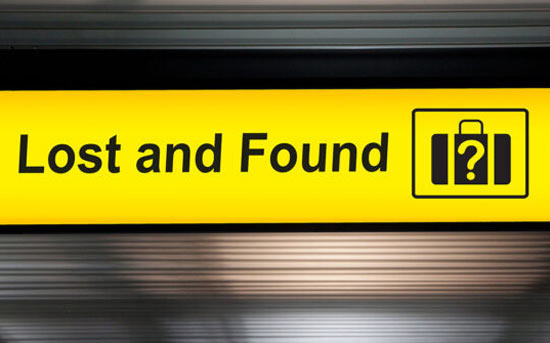
In U.S. hotels, the process of handling items left behind by guests is surprisingly systematic.
The concept of lost and found in the U.S. is not just a simple lost item storage but is closer to a trust system. Almost every public space, including schools, airports, shopping malls, hotels, hospitals, amusement parks, and even small cafes, has regulations for managing lost items. When someone finds an item, they hand it over to the staff, who then record the time and place of discovery, as well as the condition of the item, before storing it in a designated location.
When the owner appears, they verify their identity and compare it with the item's characteristics before returning it. The reason this procedure has naturally settled in is that if disputes arise during the lost item handling process, legal liability issues can occur, so it is managed by a system rather than relying solely on individual conscience. In American culture, picking up an item and keeping it is perceived as theft, and handing it over to lost and found is accepted as social common sense.
Moreover, hotels do not simply pile up lost items at the front desk like in the movies. When housekeeping cleans a room after checkout and finds an item, they do not classify it immediately.
First, they write down the room number, the date of discovery, and the location of the find, and then they create a lost item report. After that, the item leaves the hands of housekeeping and enters the hotel's lost item management system.
There is an important point at this stage. If an employee decides to keep an item by saying, "I could use this," it is grounds for disciplinary action. U.S. hotels are very sensitive to internal audits and dispute risks, so lost items must always be recorded. The more valuable the item, the stricter the rules. Items like wallets, cash, watches, and laptops are kept directly by the front office manager or security personnel. Small hotels may keep them in a safe, while large chain hotels have dedicated lockers or safe rooms for lost items.
There are also set storage periods. Generally, ordinary items are kept for 30 days, while valuable items may be stored for 60 or 90 days. Chain hotels tend to have stricter regulations. Depending on local laws or hotel brand policies, there are very few places that store items indefinitely. This is due to space issues and the lack of reason to prolong disputes.
If a guest contacts the hotel, there is another procedure. Simply saying, "I think I left something behind" does not guarantee immediate return. They will verify the room number, stay dates, and specific characteristics of the item. This must match the actual lost item for confirmation. Once verified, shipping is almost always at the guest's expense. It is rare for the hotel to cover shipping costs. Even high-end hotels are strict about this. After all, it is the guest's responsibility for what they left behind.
Interestingly, food or consumables are treated differently. Food left in the refrigerator, opened drinks, and cosmetic samples are mostly discarded immediately due to hygiene issues. Underwear is also typically discarded. In contrast, items like electronic device chargers, glasses, books, and clothing are often reunited with their owners. In fact, the most common lost item in hotels is a phone charger.
What happens when the storage period expires varies by hotel policy. Some distribute items through internal raffles for employee welfare, while others donate them. Valuable items may be auctioned off. Of course, all these processes are also recorded. This is to avoid complications later if someone asks, "Where did my item go?"
One good point to note is that items left in room safes are processed more quickly. Safes have records and restricted access, so they are transferred to the front desk immediately upon discovery. Therefore, items stored in safes have a relatively higher chance of being found. Conversely, small items left under beds or near trash cans may be missed during cleaning.
In summary, U.S. hotels do not handle lost items haphazardly. The flow is immediate recording, responsible storage, maintenance for a set period, verification of ownership, and internal policy handling after the period expires.
So if you think you left something behind, it is crucial to contact the hotel as soon as possible to address the issue.
 USAToday







 candytip |
 Gold Bar |
 Pirate Ship Popcorn Maker |
 Montgomery Mom |
 Anjollinya Blog |
 horse |
 MBTI Detective Agency |
 kevin Kim |
 Dala Dala |
 jaxter |
  Korean Mom |
  My NYC |
  moo moo |
  Mr Oh |
  forevergee |
  festival |
  manchester |
  constant |
  Leapfrog Move |
  vibranto |
  Tora Tora |
  yellowbutter |
  Dolly |
  US Embassy |
  NYC saladbar |
  Finding Superfoods |
  lightyear |
  song bang |
  vexomo |
  Indiana Jones |