
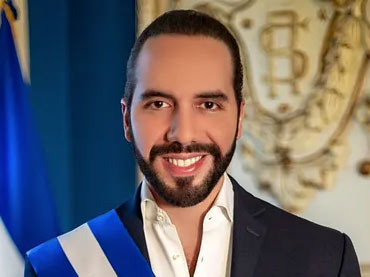
President Nayib Bukele of El Salvador is the key figure who made El Salvador the first country in the world to adopt Bitcoin as legal tender in September 2021.
This policy garnered both international praise and criticism, attracting significant attention.
President Bukele introduced Bitcoin with the goal of digitizing the Salvadoran economy and expanding financial inclusion. With about 70% of the population unable to access traditional financial systems, the use of digital wallets via smartphones was proposed as an alternative. To facilitate this, the government introduced a digital wallet app called "Chivo" and provided $30 worth of Bitcoin to new users.
- Reduction of remittance fees: El Salvador relies on remittances for about 20% of its GDP, and the high fees of existing remittance services were a significant burden. Bitcoin was presented as a solution to this issue.
- Attracting foreign investment: By using Bitcoin as legal tender, El Salvador hoped to establish itself as a hub for technological innovation and cryptocurrency.
- Improving financial accessibility: It provided opportunities for those who found it difficult to open traditional bank accounts to access digital financial systems.
The adoption of Bitcoin has sparked considerable controversy both domestically and internationally.
- Domestic backlash: Citizens expressed concerns about the volatility of Bitcoin and system errors. In 2022, technical issues with the Chivo wallet and a lack of user experience became contentious.
- International criticism: The IMF and World Bank warned that the legalization of Bitcoin could threaten economic stability.
- Market volatility: As Bitcoin prices plummeted, El Salvador significantly lost the value of its Bitcoin holdings, raising concerns about national debt.
President Bukele remains optimistic that the adoption of Bitcoin will benefit the country in the long run. In 2023, he announced plans for "Bitcoin City," promoting a cryptocurrency-centered economic zone and a Bitcoin mining project utilizing geothermal energy. These projects have attracted the attention of global investors, but questions about economic sustainability remain.
The Bitcoin policy has positioned El Salvador as an innovative country, but challenges remain in overcoming volatility and pressure from the international community.








 Weekend Movie Blog |
 Beauty, Health, Lifestyle Blog |
 coloradoman |
 Superman Cat Blog |
 Awesome Blog |
  Tora Tora |
  yellowbutter |
  Dolly |
  US Embassy |
  NYC saladbar |
  Finding Superfoods |
  lightyear |
  song bang |
  vexomo |
  Indiana Jones |
  meloncat |
  novapixel |
  mortrix |
  Esther 1983 |
  fortbliss |
  Moscow Kim |
  My Two Way |
  toastyfox |
  FLORIDA Acus |
  tracker |