

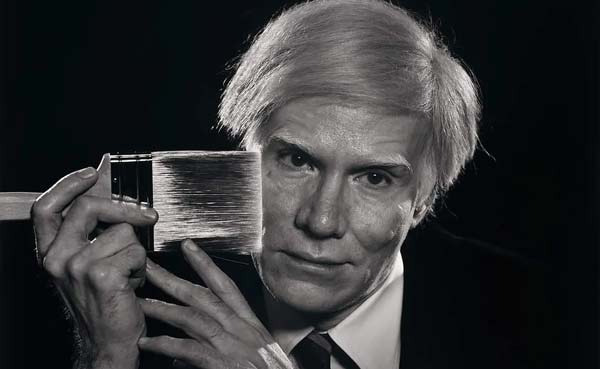
When you hear the name Andy Warhol, most people immediately think of images like 'Campbell's Soup Can', 'Marilyn Monroe', and 'Pop Art'.
However, if you ask whether he was truly a great artist or a figure created by American nationalism, there is much to consider.
It is a clear fact that Warhol shook the art world. Before his emergence, art was strongly associated with the image of 'an expression of a noble spiritual world'.
However, Warhol brought popular subjects like mass production, advertising, celebrities, and money to the center of art, which was a very radical attempt at the time.
It sounded like a declaration that "even a washing machine or Coca-Cola can be art". Warhol viewed art as a kind of 'product', and that very idea is remarkably similar to today's Instagram era and brand-centered society. The fact that he showcased this sensibility in the 1960s is certainly impressive.
On the other hand, the evaluation of his 'greatness' was greatly influenced by the cultural pride of the United States.
At that time, America was emerging as the world's strongest nation economically after winning the war.
In an atmosphere that wanted to bring the art world, which was centered around France and England, to America, Warhol emerged as a symbolic figure representing "American art leading the world".
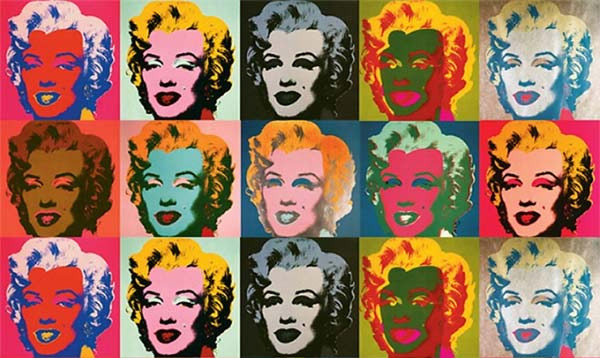
In simple terms, Warhol was like a self-portrait of American culture.
Thanks to his ability to transform concepts like advertising, popular culture, and celebrity worship into art, he was seen not just as a painter but as a figure who visually explained the American system.
The works created in his 'Factory' studio were closer to industrial production than to art. Assistants did the printing work, while Warhol provided the ideas and brands.
This structure closely resembles today's content industry model. In other words, Warhol was not just an artist who painted well, but a figure who created the prototype of the modern cultural system.
There are many criticisms of him as well. Some critics say, "Warhol had great ideas, but lacked true artistic depth". In fact, there are evaluations that his work was closer to marketing than art.
However, that very point is the essence of Warhol. He blurred the boundaries between art and marketing, authenticity and commercialism.
The reason he is particularly revered in America is that his philosophy reflects American values of money, fame, and popularity.
In the end, isn't Warhol's fame half genius and the other half American nationalism? Haha.
I believe he commodified art and became an icon of capitalism that shattered the sanctity of art in an American way.







 Weekend Movie Blog |
 Beauty, Health, Lifestyle Blog |
 coloradoman |
 Superman Cat Blog |
 novapixel |
  DREAM BIG |
  frostbite |
  330 Forever My Love |
  El Dorado |
  dralix58 |
  Gorama Round |
  Skydiving |
  dreamport |
  Yellow Snowman |
  Toaster Pizza Magic Show |
  velvetnom |
  Anytime Journey |
  Mrs. Duluth |
  jaxter |
  Atlanta Mama |
  Baguette Blog |
  Tan Sol |
  US Embassy |
  Korean Mom |
  My NYC |