

Having lived in LA for a long time, I've found something personally interesting.
When I talk with my Filipino immigrant friends, I notice that their thoughts about career paths are quite different from those of Koreans.
This is just my personal perspective, but I believe many would agree.
Many Filipino friends aim for careers in public service, such as city hall, county offices, and the DMV.
At first, I thought it was just a coincidence, but I noticed that they naturally gravitate towards public institutions in their search for stable jobs.
If you actually visit immigration offices or city halls, you'll see a noticeable number of Filipino employees.
It's not just one or two; it gives you the impression that, "Oh, there are quite a few here."
When I ask why, the answer is not difficult to find: stability.
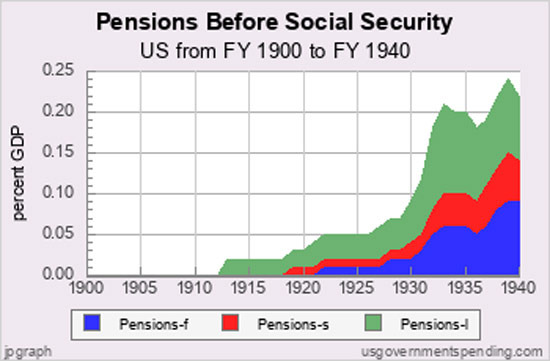
In the U.S., public service jobs have relatively low risks of layoffs, and the healthcare benefits and pension structures are well established.
Many place great importance on the pension aspect.
Even if they don't earn a lot when they're young, they prefer a structure that allows them to work steadily and secure their retirement.
This feels less like a job choice and more like a difference in outlook on life.
Even if a U.S. public servant earns around $40,000 a year, the pension structure after retirement is quite stable.
Typically, state and county public servants have their pensions calculated based on years of service and average salary.
For example, after working for 20 to 30 years, many receive about 40% to 70% of their final salary as a lifelong pension.
Based on an annual salary of $40,000, that means a retirement income of about $16,000 to $28,000 a year.
When you add Social Security, the actual retirement income increases further.
In some cases, healthcare benefits are also maintained, so even if they don't earn a lot, the key is the stability that prevents their lives from falling apart.
They focus more on "staying stable for a long time" rather than "earning a lot all at once."
In contrast, the atmosphere in the Korean community is quite different.
When the topic of children's education comes up, the direction is almost predetermined.
Doctors, lawyers, entrepreneurs.
To exaggerate a bit, it wouldn't be far off to say that it revolves around these three options.
While stability is important, the concept of "success" takes precedence.
Factors like income level, social status, and winning in competition are more significant.
So even among immigrants, the goal-setting itself appears differently.
Filipino friends say, "Becoming a public servant is stable and good."
Koreans often think, "That's not enough."
This reflects a difference in priorities.
Interestingly, the actual life satisfaction levels are also different.
Filipino friends working as public servants seem to experience relatively less stress.
They have set working hours, definite weekends off, and some plans for retirement.
On the other hand, Koreans are constantly racing towards success.
If they do well, they can rise quickly, but the stress in the process is significant. Whether in business or professional fields, competition is always present.
Ultimately, the Filipino approach centers on stability.
The Korean approach focuses on growth.
In a city like LA, where both can be seen simultaneously, the contrast becomes even more pronounced.
Personally, I find it hard to definitively say which is better.
However, one thing is clear: when cultures differ, the standards for a "good life" also change.
Some people consider a job with guaranteed pensions to be the best, while others aim for greater achievements even at the risk of uncertainty.






 oh my salami |
 saffronroute |
 You Only Live Once |
 Texas Real Estate Blog |
 zentar |
 Weekend Movie Blog |
 Victory 1988 |
 Superman Cat Blog |
 Anjollinya Blog |
 coloradoman |
  blueman |
  Going Once |
  Eldorado 88 |
  cherrydino |
  garlic bread |
  middlekick |
  Moscow Kim |
  nivex85 |
  quanta7 |
  Tomato Health Club blog |
  horse |
  Egg Steamed Pot |
  Helpful Life Stories |
  UNI Lover |
  zen zeng |
  wendra |
  business life |
  candytip |