

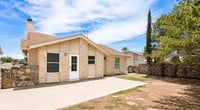
As of June 2026, the recent sales price in El Paso recorded a median of $289,000 based on MLS transaction data. While this is still relatively low compared to other major cities in Texas, it is worth noting that over the past year, prices have fluctuated between the $250,000 and $290,000 ranges.
Following a family looking for a home with a budget of $289,000, the picture changes depending on the size of the down payment. Applying the FHA minimum requirement of 3.5% would require $10,115, while if the credit score falls below 580, it jumps to 10% or $28,900. This indicates that managing your credit score directly impacts the burden of the down payment, which can be advantageous.
Switching to conventional loans, first-time homebuyers or households earning below 80% of the area median income can start with as low as 3%, which would be around $8,670. If applying 5%, it would be about $14,450. However, putting down less than 20% may incur PMI, which could be a burden. If you meet the 20% down payment of $57,800, you can start without PMI, but this ties up a significant amount of initial cash.
With a 20% down payment of $57,800 and an interest rate of 6.6%, the principal and interest would be calculated at around $1,480 per month. El Paso has a relatively low cost of living compared to other major cities in Texas, so some view this repayment amount as not significantly burdensome compared to renting.
For families relocating to El Paso from other states, paying attention to property taxes is essential. Texas has no state income tax, but the average effective property tax rate is around 1.6%, which may feel unfamiliar for families coming from states with income tax. This can vary by state and county, so it's advisable to check the tax rate for specific listings.
If down payment funds are insufficient, it may be worth looking into assistance from the El Paso Housing Finance Corporation. They offer up to $20,000 for down payment and closing costs, with the condition of completing homebuyer education before closing. There is also a First-Time Homebuyer Program at the city level, providing up to $45,000 in designated housing areas and up to $25,000 in other areas for households earning between 60% and 80% of the area median income.
Such assistance can reduce personal financial burdens, thereby creating more flexibility in DTI. However, being over the income limit can disqualify applicants, which can be a disadvantage.
To increase approval rates, it's important to understand the interest rate differences based on credit score ranges. As of July 2026, rates are 6.59% for scores above 780, 6.66% for the 760 range, 6.75% for the 740 range, and 6.91% for the 700 range. Raising your credit score by even one range can change your monthly payment.
Managing DTI is also crucial. The Consumer Financial Protection Bureau guidelines suggest that a back-end DTI of 43% or less and a front-end DTI of 28% or less are ideal. Paying off credit card debt or auto loans in advance can help lower these ratios.
If you started with a low down payment, it's good to know that you can apply to cancel PMI once the loan balance falls below 80% of the home value. Each lender has slightly different criteria, so it's beneficial to compare two or three lenders rather than just getting pre-approved by one.
It's also important to get pre-approved in advance, provide stable income documentation through pay stubs and tax returns, and avoid new loans or job changes before closing. Having reserves equivalent to a few months of payments can create a stable impression during the approval process.
This article is not investment or legal advice, and it's safe to verify the specific conditions of assistance programs at the time of application and consult with a professional.
 OceanDre
 zencloudtraveler1957







 moo moo |
 ultron78 |
 garlic bread |
 Sugar Cream Door Bulletproof Noodles |
 urbanmint |
 fortbliss |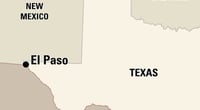
 Tomex Train Uncle |
 hexon |
 Que Buena |
 The Gelaton |
  Twist Kim |
  berlon93 |
  Physical Laws and Science |
  good thinking |
  Solo Yolo |
  Mr Oh |
  laro90 |
  San Diego TOP Idol |
  Round and Round Children's Song Kingdom |
  American Golf Course Travelogue |
  MEDBIO American Doctor Blog |
  Hot Seat Driver |
  bryvexi |
  koala organic farm |
  riverstone |
  My Antonio |
  California Information News |
  chilli chilli |
  Moon Su San |