


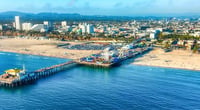
What I have observed over the decades watching the coastal city of Santa Monica is that this city has maintained its value through scarcity rather than trends.
The population of Santa Monica has seen a slight decline or stagnation in recent years. The city has a small area and limited new development sites, and due to the high rent and sale prices, it shows a stable flow centered on existing residents rather than new arrivals.
In terms of industrial base, media, entertainment, and technology startups are the two main pillars. The area known as Silicon Beach, which includes Santa Monica and Venice, is home to several tech companies, including Snap, and recently, there have been renewals of small office spaces for content and streaming-related companies. However, there have been cases where some large office tenants have downsized after the pandemic, indicating that the commercial real estate market is not in a complete recovery phase.
The unemployment rate is in the low 4% range, similar to the average in Los Angeles County, and income levels remain high, particularly in the technology and media sectors. The tourism and retail sectors have not fully recovered compared to pre-pandemic levels, leading to variations by industry.
In terms of infrastructure, the Metro Expo Line already runs through the city center, providing good accessibility, and recently, city-level support policies and pedestrian-focused street development projects have been underway to revitalize the downtown commercial district. The focus is on qualitative improvements to existing urban infrastructure rather than new large-scale developments.
Institutions like Forbes and Moody's classify Santa Monica as a premium coastal city with limited supply, assessing that it has a high potential for maintaining asset value based on scarcity in the long term. However, issues such as vacancies in commercial districts and social issues related to homelessness are also mentioned as risk factors that could burden the city's image.
Based on my experience observing various market cycles over the years, cities like Santa Monica, which have supply constraints, tend to maintain their value in the long term despite short-term volatility. For Korean households, if they can bear the high entry costs, approaching this area for long-term asset preservation based on scarcity seems to align well with the region's characteristics.
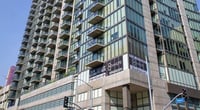
Premium areas like North of Montana and Santa Monica Canyon have very few listings, often requiring a long wait for the right buying timing. In contrast, the downtown condo market is relatively liquid, providing accessible options for small investors aiming for rental income.
The fact that this is a city with strict rental regulations is also a crucial point to consider in investment decisions. For existing buildings rather than new constructions, the rent increase limits are often restricted by city ordinances, so it is advisable to carefully check these regulatory factors when calculating rental income.
 iforever
 FilialFedor





 garlic bread |
 Sugar Cream Door Bulletproof Noodles |
 urbanmint |
 |
| 
 Premium Gas Camp |
 Choco Choco Star |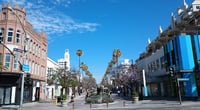
 U.S. Weather Bureau News |
 Exploring American Life Information |
 Reggae Party |
 US Home Buying Information Home Insurance |
  draxen |
  gallery |
  milkyotter |
  Zoom Zoom Zoom |
  Minnesota Lakes and Clouds |
  noraro |
  tervox95 |
  vale vale |
  yentra |
  Golden life |
  andrew park |
  Peter Pan Pet |
  Balan |
  Cali M Law Group |
  neroyo |
  Dreams Come True as Desired |
  Khan Film Blog Production |
  coloradoman |
  Living Economy Information Blog |
  rustley |