
Experiencing winter weather in San Antonio reveals that humidity fluctuates significantly.
Yesterday, my lips were so dry they cracked, and today, suddenly, humid and moist air has arrived.
One day I need a humidifier, and the next, the air is so humid and warm that I wonder whether to turn on the air conditioner.
It feels like a desert and a coastal city are alternating, and the reason is the dramatic changes in air mass characteristics.
The main cause is the Gulf of Mexico. San Antonio is not directly on the coast, but when the wind blows in from the sea, the air comes in as it is. On days when the wind comes up from the Gulf of Mexico, warm and humid air envelops the city, making it feel moist and cloudy even in winter, creating a pleasant warmth.
The reason why there are overcast days even without rain forecasts is also due to this. Conversely, when the Gulf of Mexico winds stop and dry, cold air comes down from the northwest (New Mexico and the Texas plateau), the weather suddenly changes to dry enough to make your skin feel tight and your nose dry.
In winter, these two air masses push and pull against each other, forming a front on a daily basis. It can feel like a completely different region from one day to the next. For example, humid air at 75°F (24°C) one day can turn into dry, cold air at 40°F (4°C) the next day when the north wind comes down. The saying "I was definitely in short sleeves yesterday, but today I pulled out my winter coat" doesn't come from nowhere.
Additionally, San Antonio is geographically positioned between coastal plains and inland plateaus, making it a favorable structure for air layers to collide.
The wind coming down from the plateau has very little moisture and feels dry like desert air. When the Gulf of Mexico air mass does not come in, indoor humidity can be as low as 20-30%, and it's common for the skin on the back of the hands to turn white, making many days difficult without a humidifier. Conversely, when the southeast wind blows strongly, humidity can soar to 80-90%, bringing a damp summer feel even in winter.
This extreme change is also due to the fast-moving fronts. Texas has hills and mountains concentrated in the west, allowing cold air to move quickly across the plains without obstruction. Unlike California, where mountains filter the air, changes are transmitted directly. It is a natural flow meteorologically for the weather feeling to change in just one day.
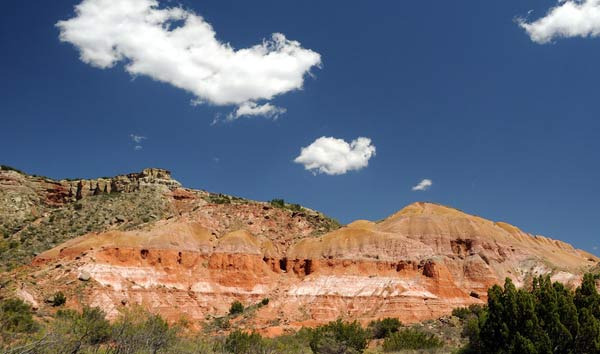
On dry days, static electricity is sharp, and on humid days, the windows fog up, so preparation is necessary. On the other hand, humid days are warmer and great for walks, while dry days have the advantage of particularly clear and blue skies.
Ultimately, the reason San Antonio's winter alternates between dryness and humidity is that the moisture from the Gulf of Mexico and the dry air mass from the inland plateau influence each other alternately.
In a nutshell, this city in winter can be described as "a city that uses both a humidifier and an air conditioner," reflecting its ever-changing and diverse climate.







 Helpful Life Stories |
 American Man in a Mask |
 Hajiwon Blog Hair Salon |
 Make My Day |
 TEXAS Fishing Boat |
  Korean Mom |
  My NYC |
  moo moo |
  Mr Oh |
  forevergee |
  festival |
  manchester |
  constant |
  Leapfrog Move |
  vibranto |
  Tora Tora |
  yellowbutter |
  Dolly |
  US Embassy |
  NYC saladbar |
  Finding Superfoods |
  lightyear |
  song bang |
  vexomo |
  Indiana Jones |