ChatGPT said:
If you visit Korean or Chinese markets, all the displayed rice looks quite similar, right?
In fact, if you look closely, most of them are from the same category, specifically the Japonica variety. This is the short, round rice that we usually eat, which becomes sticky and shiny when cooked! It's the rice enjoyed by people in Korea, Japan, and the eastern regions of China.
The rice sold in Korean markets is mostly packaged Japonica rice, whether it's Japanese, American, or Korean brands, so it gives a sense of guaranteed quality. No matter which brand you choose, you feel like "Yeah, this will be decent enough."
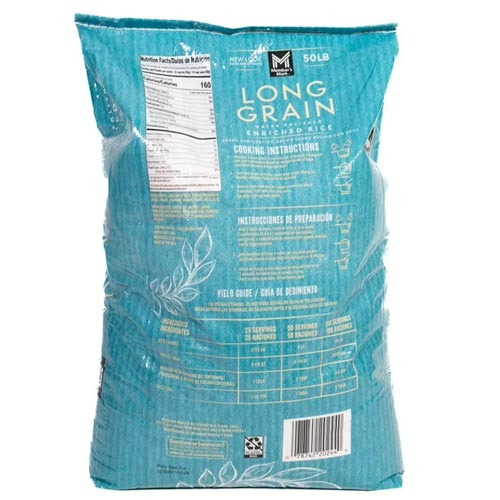
However, the atmosphere changes dramatically when you go to a local supermarket in the U.S. The most commonly seen type here is Long Grain. If you see the label Long Grain, it's almost always from the Indica category. Unlike Japonica, which has short grains, this rice is long and, when cooked, is less sticky and fluffy. It feels quite different from the chewy rice served at Korean restaurants.
But there's no need to be disappointed. If you mix about 10-20% of easily available Japonica glutinous rice (like sweet brown rice) with the Long Grain rice bought from an American store, you can surprisingly achieve a pretty decent texture. The fluffiness decreases, and it gets closer to the slightly sticky Korean style.
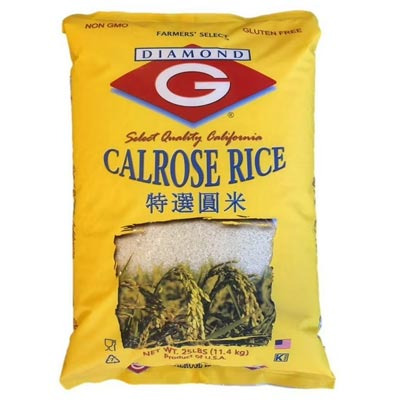
If you're the type who says, "I just want to eat Korean rice for sure!" then you should look for Calrose rice. Developed in California, this Japonica variety has a texture, stickiness, and clumping that is most similar to Korean short grain. That's why it's a popular choice among Koreans in the U.S.
And here's a point where many people get confused! You might see products labeled "Sticky Rice" in the U.S., but this is not the same as Korean glutinous rice. The glutinous rice referred to in Korea is used for mixing into rice or making rice cakes, but the "Sticky Rice" in American stores is primarily Thai or Southeast Asian glutinous rice, which becomes much stickier and has a very different texture when cooked. If you buy it thinking it's Korean-style glutinous rice, you might end up with completely different results, so be careful.
So, what's the best way to buy such a variety of rice at the lowest price in the U.S.?
It's Sam's Club and Costco. While the prices of rice at regular supermarkets or Asian markets are quite high, Sam's Club and Costco sell them at much more reasonable prices based on bulk (25-50 pounds).
For example, if a 15-pound bag of rice in a Korean market costs around $15-35, at Sam's Club, a 25-pound bag is about $13, and a 50-pound bag often costs around $25. When comparing price per volume, the value is really different. If Calrose isn't available, you can also solve it with a Long Grain + glutinous rice combination, so there's no chance of failure.
Especially, the Sam's Club in San Antonio frequently stocks Japonica products in 25-50 pound bags at low prices, and if you time your shopping right, you can buy nearly double the amount for the same price as a 15-20 pound bag at an Asian market. Although it operates on a membership basis, you can buy not only rice but also various daily necessities in bulk at low prices, making it much more beneficial in the long run. Its accessibility and ample parking are also significant advantages.
In conclusion! If you want to eat Korean-style rice in the U.S., choose Japonica, and the most cost-effective way is to buy in bulk at Sam's Club or Costco. Especially if you live in San Antonio, the 25-50 pound rice at Sam's Club is truly a 'best value choice.'
In these times of rising prices, it's good to save even a little.
If you want to eat Korean-style rice cheaply in the future, make sure to keep this method in mind!
#rice
#sam's club
#costco
#japonica
#long grain
#calrose
#grocery
#value
#shopping


 USAToday







 Khan Film Blog Production |
 dermoon |
 hoosierdaddy |
 sun walker |
 Let's Be Like a Salt-like City Person |
 Helpful Life Stories |
 Hajiwon Blog Hair Salon |
 American Man in a Mask |

 Make My Day |
  Finding Superfoods |
  lightyear |
  song bang |
  vexomo |
  Indiana Jones |
  meloncat |
  novapixel |
  mortrix |
  Esther 1983 |
  fortbliss |
  Moscow Kim |
  My Two Way |
  toastyfox |
  FLORIDA Acus |
  tracker |
  TONTON COFFEE |
  sunrise |
  ultron78 |
  uplifted |
  Folding Instructions |