

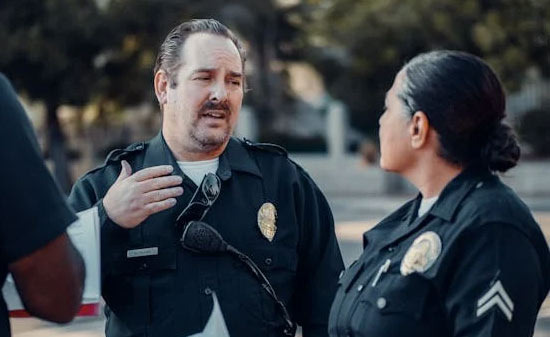
The number of police officers and prisoners in the United States is an important indicator for understanding the U.S. social justice system.
According to the most recent statistics from 2023, the population of the United States is about 330 million, and the police force is approximately 660,000. The number of prisoners incarcerated is about 1.8 million.
The United States accounts for only about 4% of the world's population, yet approximately 20% of the world's prisoners are in the U.S.
Number of Police Officers in the United States-
Total number of police officers (nationwide): about 660,000
-
Of these, about 420,000 are sworn officers with badges and arrest authority
-
The rest are administrative, technical, and other non-sworn police personnel
-
※ Police are divided into federal, state, and local categories, with local police making up the largest proportion. For example: city police, sheriff's offices, state police, etc.
Number of Prisoners in the United States
-
Total number of prisoners: about 1.8 million (1,800,000)
-
Federal prisons: about 150,000
-
State prisons: about 1.1 million
-
Local jails: about 600,000
-
Issues with Early Release Programs in the U.S.
The early release program in the United States is an important means for the efficiency of the criminal justice system and the protection of human rights, but various issues and controversies exist in its actual operation. In many states, the criteria for parole hearings are unclear, or political influences result in low approval rates. For example, the parole approval rate in Alabama dropped sharply from 53% in 2018 to 8% in 2023, criticized for the lack of transparency in the criteria and political pressure.
Some early-released prisoners have reoffended, leading to a decline in trust in the system. In Washington D.C., an individual who committed murder at 16 reoffended six months after early release, causing controversy. There are concerns that the risk assessment algorithms used in parole hearings disadvantage Black and Hispanic prisoners. This leads to inequality in opportunities for early release.
In some states, governors directly intervene in parole decisions, leading to political controversies. For example, in Maryland, parole was only possible with the governor's approval until 2021, raising concerns about political neutrality.
Due to these issues, some states are making efforts to clarify parole hearing criteria and operate the review process transparently. For example, Alabama is trying to systematize the review criteria by introducing new parole guidelines.





 Victory 1988 |
 El Dorado |
 lightyear |
 Moscow Kim |
 coloradoman |
 Weekend Movie Blog |
 Beauty, Health, Lifestyle Blog |
 Superman Cat Blog |
 Noodle Noodle |
  Cherokee Rose |
  Kor. Master |
  Holey Moley |
  Conflite Teacher |
  Hodong Prince Over Flex |
  Mist inn |
  citrus pop |
  Onion Ring |
  phoenixia |
  viewtop |
  loverun |
  Kim Do Sun |
  SEVEN SEVEN |
  yentra |
  Make My Day |
  Tonky |
  viroma |
  cookie |
  Live and that's it |