
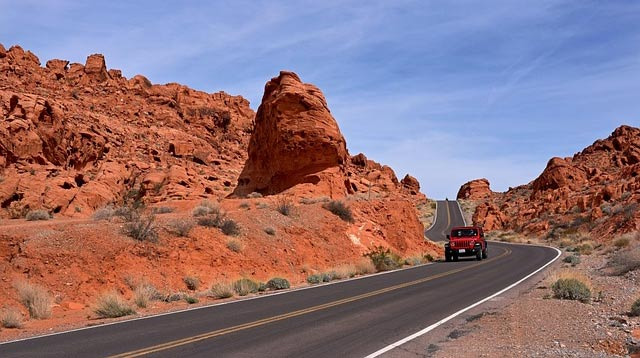
Las Vegas is a city located in the heart of the Mojave Desert, characterized by a dry desert climate (Köppen climate classification BWh). The key features of Las Vegas weather include extreme summer heat, dry air, and low precipitation, which are typical of desert climates. However, contrary to the common belief that 'Las Vegas is always hot,' winter temperatures can be quite cool, and it can even snow at times. The weather in Las Vegas varies significantly by season, so it's important to understand the seasonal characteristics before visiting or residing there.
Spring (March to May) is one of the best seasons for outdoor activities in Las Vegas. The average high temperature in March is about 19 degrees Celsius, around 24 degrees in April, and approximately 30 degrees in May. Although temperatures rise sharply during this time, it is not as hot as summer, making activities like hiking, golfing, and sightseeing possible. During spring, dust storms may occur intermittently, and rare showers can happen in April and May. The average monthly rainfall in Las Vegas during spring is very low, around 10 to 15 mm.
Summer (June to September) is the harshest season in Las Vegas. The average high temperature in June is about 37 degrees, while July and August often see temperatures reaching 40 to 42 degrees. In fact, during July and August, temperatures exceeding 40 degrees can occur on more than 10 days in a month. During this period, temperatures on manhole covers or asphalt can exceed 60 degrees. According to data from the National Weather Service (NWS), the highest recorded temperature in Las Vegas was about 47.2 degrees Celsius (117 degrees Fahrenheit) in July 1994. The 'Monsoon Season' arrives between mid-July and mid-September, temporarily increasing humidity and bringing short but intense showers or thunderstorms.
Fall (October to November) is another pleasant time for outdoor activities in Las Vegas, similar to spring. The average high temperature in October is about 27 degrees, while November sees a sharp drop to around 18 degrees. A significant temperature difference between day and night is characteristic of fall, with warm days often followed by nights dropping below 10 degrees. Fall precipitation is also very low, similar to spring, averaging 5 to 15 mm per month. October, a peak tourist season, tends to see a high number of visitors, leading to quick hotel bookings.
Winter (December to February) is the coolest and most pleasant season in Las Vegas. The average high temperature in December is about 11 degrees, with lows around 1 to 2 degrees. January is the coldest month, with average low temperatures sometimes dropping below freezing. Snow can occur, and historical weather records indicate that snow accumulation in the Strip area is observed about 1 to 2 times a year on average. Snowfall is usually minimal, less than 1 to 5 cm, but caution is advised for those not accustomed to driving in such conditions. Winter precipitation averages around 15 to 20 mm per month, which is relatively high for Las Vegas.
The total annual precipitation in Las Vegas is about 100 to 110 mm, which is extremely low compared to the national average of about 760 mm. Humidity levels maintain a low dry state of about 20 to 30% on average, which can lead to dry skin. The annual sunshine hours are about 3,800, making it one of the sunniest cities in the U.S. The number of clear days is approximately 294 per year, indicating that most days are sunny. If you plan to visit or live in Las Vegas, it's essential to remember to stay hydrated and utilize indoor cooling facilities to cope with the extreme summer heat.
Particular natural phenomena to be cautious of in Las Vegas's climate include sudden summer dust storms (Haboob) and flash floods accompanied by thunderstorms. When rain occurs in the desert, the ground cannot absorb the water, leading to rapid flash floods. The National Weather Service issues Flash Flood Watches and Warnings during the monsoon season, so it's important for visitors during this time to closely monitor weather forecasts.
 ChocoMuffin
 ToilTomorrow
 WaveMedia
 TacoTime
 TalkVibe







 Another Eden Channel BLOG |
 Victory 1988 |
 Smile Face |
 Helpful Life Stories |
 Casa Mia |
 Anova US Beauty Information |
 US Legal Consultation on Trials |

 vegas mom |
 celion78 |
  vanilla |
  selvon |
  brownie |
  Star Blog |
  The Day the Sun Rises |
  sweetpop |
  California Kangaroo |
  zanero |
  station |
  Static |
  Star Way |
  American Blog Forge |
  MMORPG Games |
  Then you must be spring |
  Spicy Immigration Life |
  zenvor16 |
  The 2000 |
  toclick |
  wexlin84 |
  Hairy Poppins |