

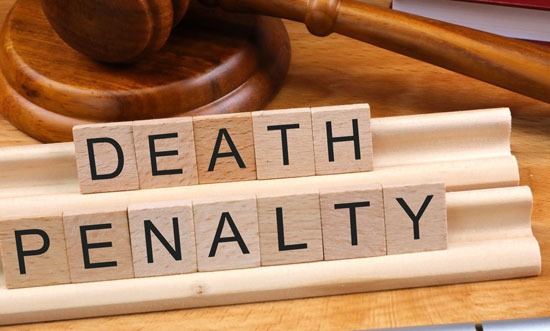
My Family's Survival Comes First - The Justification for the Resurrection of the Death Penalty in LA's Koreatown
Anyone who has walked the streets of LA's K-Town recently can feel it. The sense of safety in Koreatown is definitely different from what it used to be.
Car thefts, robberies, and incidents involving the homeless are no longer stories from a distant land; they have entered my front yard and my daily life.
When I have to go out at night, I find myself looking around more carefully, and this sad reality has changed my perspective.
Ordinary citizens are exposed to the fear of crime every day, while the criminals who commit brutal acts are being supported by our taxes, leading to growing dissatisfaction.
The question, "Do they really need human rights?" is no longer a taboo.
Considering the hellish pain that victims' families endure, the current lax response, which exists but is not utilized, cannot be seen as justice.
The Trump administration's efforts to strengthen the death penalty at the federal level reflect this social anger.
Restoration of execution procedures: Federal executions, which had been paused since 2020, are being normalized.
Effective punishment measures: Introducing strict methods like firing squads in addition to lethal injection sends a strong message to criminals that "crossing the line will have consequences."
Changes in Washington DC: Even in places where the death penalty was abolished, there is a trend to reconsider its application, expressing a commitment not to overlook heinous crimes.
I question why this critical issue, directly related to the lives of citizens, is left as a political debate.
If the anxiety felt by citizens is so great, why not confirm the public's direct opinion through a referendum?
I want to ask if there is a fear of confirming the overwhelming public sentiment that "strong punishment is necessary."
As fear of crime increases, people naturally begin to ask, "Can the state protect me?"
Of course, there are plenty of opposing views. The possibility of wrongful convictions, human rights issues, and the ethical debate over the state's authority to take life remain important.
In fact, many civic groups and some state governments strongly oppose the expansion of the death penalty, and legal conflicts seem inevitable in the future.
Nevertheless, in situations where one is raising children and caring for parents, the question of "Is this neighborhood safe?" comes first.
The current discussions about strengthening the death penalty in the U.S. are not just political disputes; they are a manifestation of the anxiety that has spread throughout society. Regardless of support or opposition, this trend will continue.
What is important is not emotion, but 'clear standards.'
The state must show how far it can be resolute in protecting its citizens.
Only by restoring the authority of the law can we ensure that evil does not mock good and recover the safety of our shattered community.







 Valley Hong |
 Mr Oh |
 ollege Mom |
 Helpful Life Stories |
 prixon74 |
 Weekend Movie Blog |
 Superman Cat Blog |
 Victory 1988 |
 Beauty, Health, Lifestyle Blog |
  hot chocolate |
  SODA MAKER |
  james kim |
  All About Cars |
  lomira98 |
  calmbridge |
  oneonly |
  Brighto |
  racuse |
  Total Beauty |
  crystal |
  Good Hotels |
  raspberry7 |
  Que que |
  Well Done Sir |
  dance dance |
  sweetpepe |
  vegas mom |
  Olivia's Blog |
  cathywhite |