
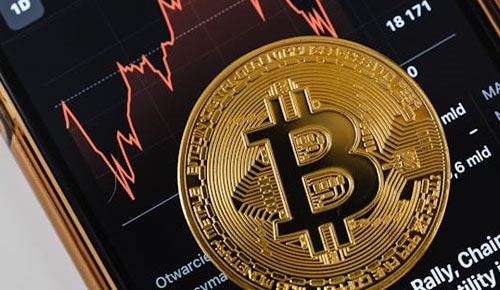
Bitcoin has established itself as the representative of digital assets, leading the cryptocurrency market.
Since its creation by Satoshi Nakamoto in 2009, Bitcoin has introduced a new concept of digital gold based on blockchain technology.
Bitcoin began on January 3, 2009, with the mining of the genesis block by Satoshi Nakamoto, marking the start of the Bitcoin network. In 2010, Bitcoin was used in actual transactions, reaching a historic moment known as Pizza Day. At that time, a transaction was made to purchase two pizzas for 10,000 Bitcoins, which is now worth hundreds of millions of dollars.
In 2017, Bitcoin surpassed $20,000, reaching an all-time high, but it also experienced a sharp price correction afterward. Nevertheless, Bitcoin is still recognized as the largest cryptocurrency globally, and institutional investor interest continues to grow. Recently, it has been emphasized as digital gold, being used as a means of saving and asset protection.
As of 2025, Bitcoin has a market capitalization of over $700 billion, maintaining a leading position in the cryptocurrency market. Many companies are holding Bitcoin as an asset or launching Bitcoin-based investment products, rapidly expanding Bitcoin's recognition in the financial market. Companies like MicroStrategy, Tesla, and Square have demonstrated Bitcoin's investment potential through large-scale holdings.
The most significant characteristic of Bitcoin remains its high price volatility. It showed a record rise above $60,000 in 2021, followed by repeated sharp declines and recoveries. Especially with increased regulations and economic conditions, Bitcoin's price can fluctuate dramatically, requiring investors to remain vigilant about risk management.
Bitcoin has also sparked controversy over energy consumption and environmental issues. The Proof of Work (PoW) mining method consumes a lot of power, raising questions about Bitcoin's sustainability. Additionally, the strengthening of regulations in various countries is expected to have a significant impact on Bitcoin's future. Major countries, including the United States and China, are tightening cryptocurrency regulations, leading to various legal barriers for Bitcoin.
Bitcoin still holds the potential as a store of value as a digital currency, and with the increasing participation of institutional investors, it is becoming a more critical asset than ever. However, there are still many challenges to address, such as price volatility and regulatory risks, making Bitcoin's future still uncertain.
As of 2025, Bitcoin is fulfilling its role as digital gold and is likely to continue being a leading asset in the cryptocurrency market. However, careful approaches considering risks such as energy consumption issues, price volatility, and regulatory challenges will be necessary.








 Weekend Movie Blog |
 Beauty, Health, Lifestyle Blog |
 coloradoman |
 Superman Cat Blog |
 Victory 1988 |
  Korean Mom |
  My NYC |
  moo moo |
  Mr Oh |
  forevergee |
  festival |
  manchester |
  constant |
  Leapfrog Move |
  vibranto |
  Tora Tora |
  yellowbutter |
  Dolly |
  US Embassy |
  NYC saladbar |
  Finding Superfoods |
  lightyear |
  song bang |
  vexomo |
  Indiana Jones |